BIRDS OF THE PANTANAL (2)
Brazil - South America
The Pantanal is in the centre of South America. Spreading over a huge area of central-western Brazil, it crosses over the borders into Bolivia and Paraguay. It is the largest wetland in the world and hosts an amazing variety of birds.
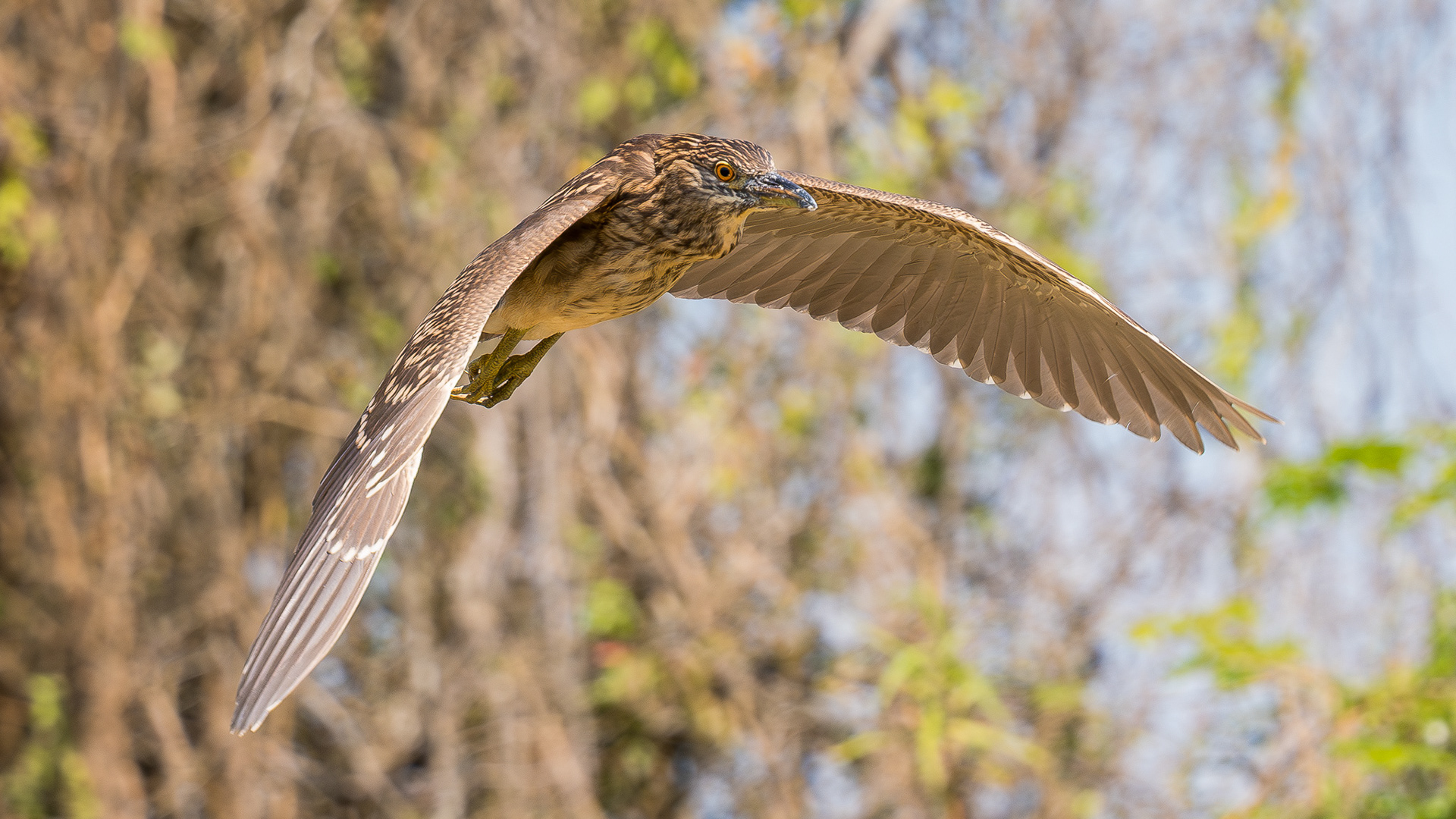
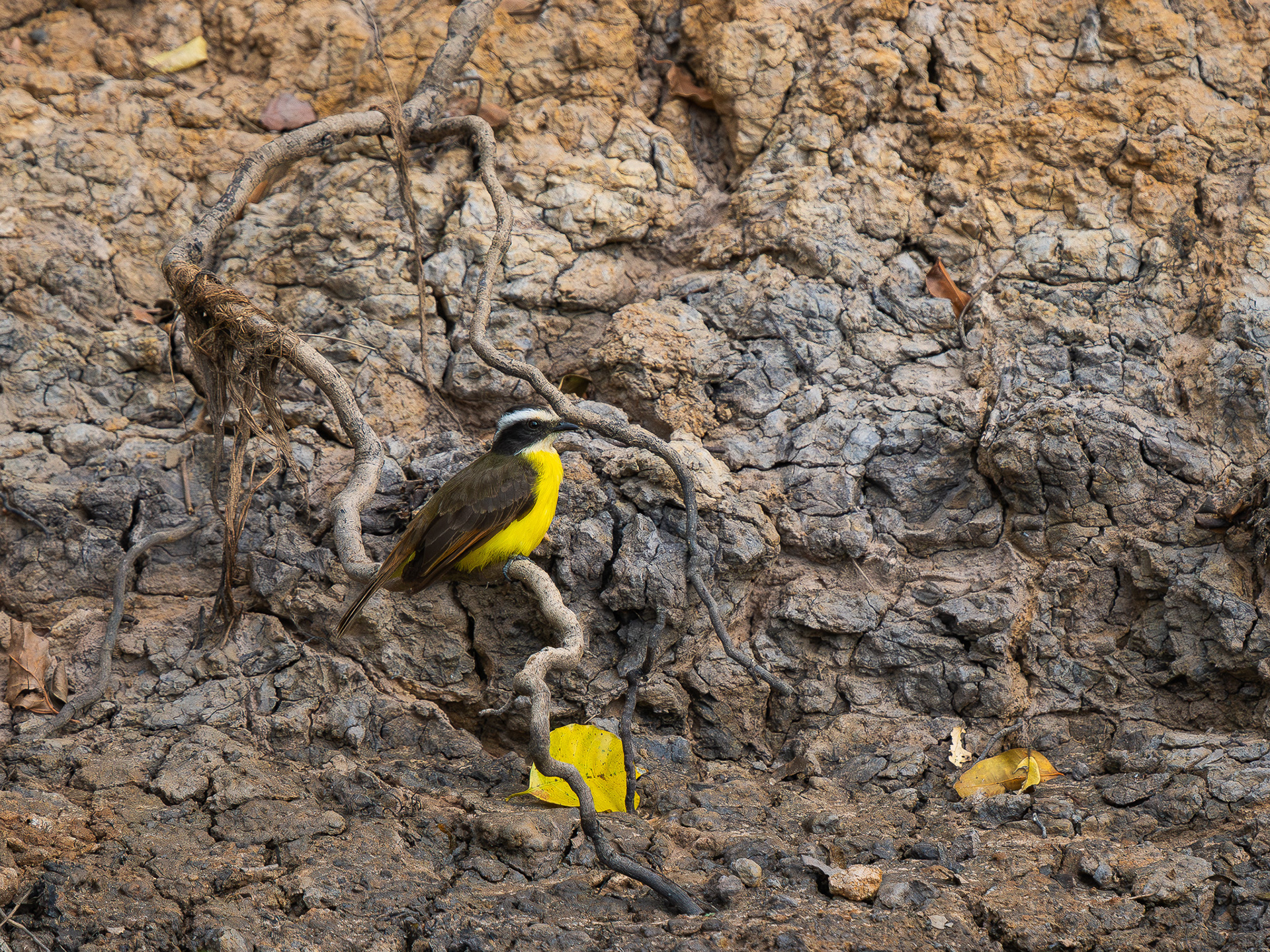
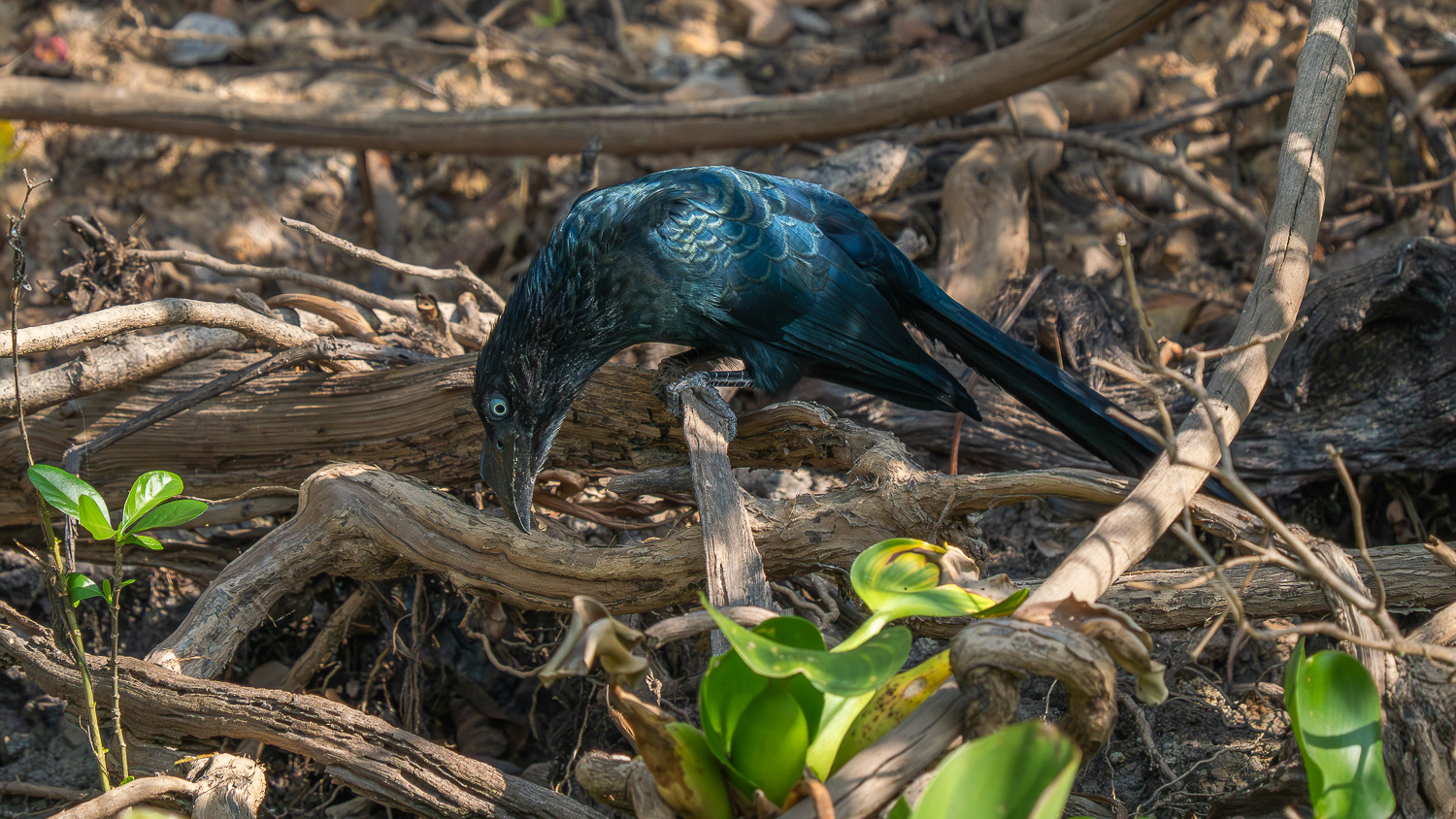
The following images are of some more of the birds we managed to photograph on our trip to the Northern Pantanal in late August 2025.
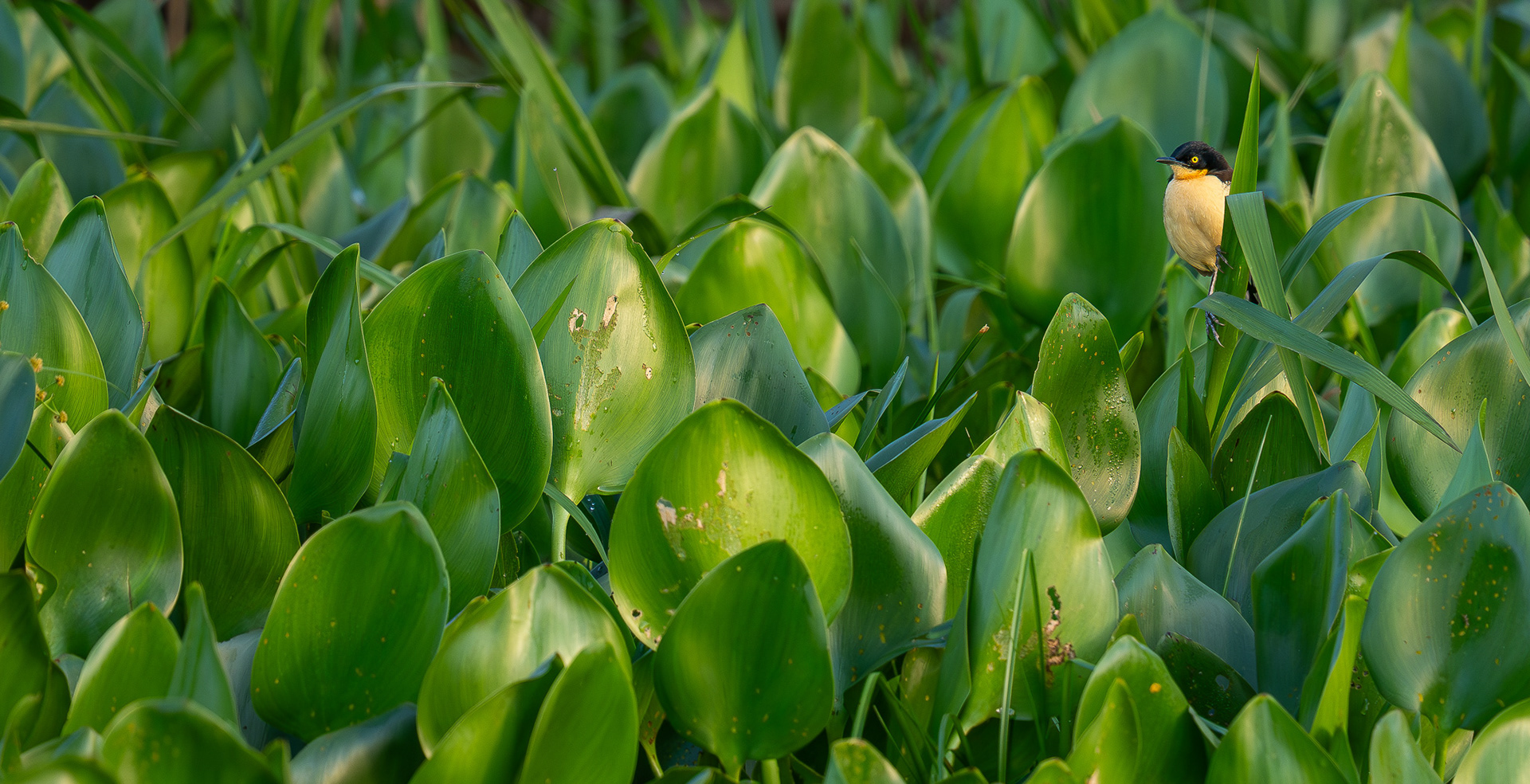
^ Black-capped Donacobius
The Black-capped Donacobius (Donacobius atricapilla) is common in the Pantanal wetlands, where it inhabits dense aquatic and semi-aquatic vegetation along marshes, oxbow lakes and riverbanks. It feeds almost exclusively on invertebrates, including insects, beetles and spiders, foraged from vegetation near water.
^ Cocoi Heron
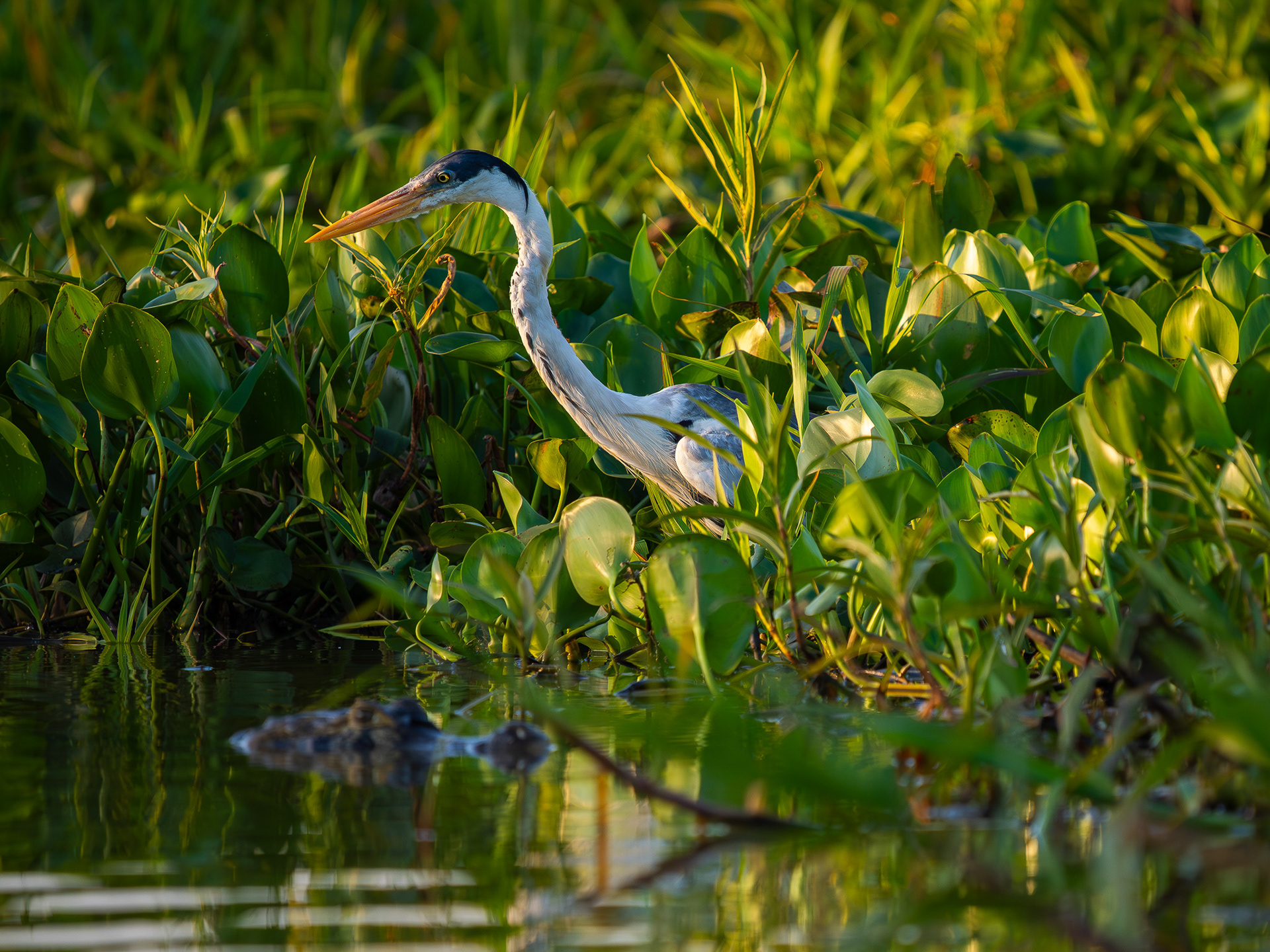
The Cocoi Heron (Ardea cocoi) is the largest heron in South America. Its striking grey, black, and white plumage makes it easy to spot in the Pantanal's expansive wetlands, where it typically hunts alone in shallow water. Standing motionless or moving slowly, it uses its long beak to spear fish and amphibians, making it a familiar and iconic presence in this rich ecosystem.
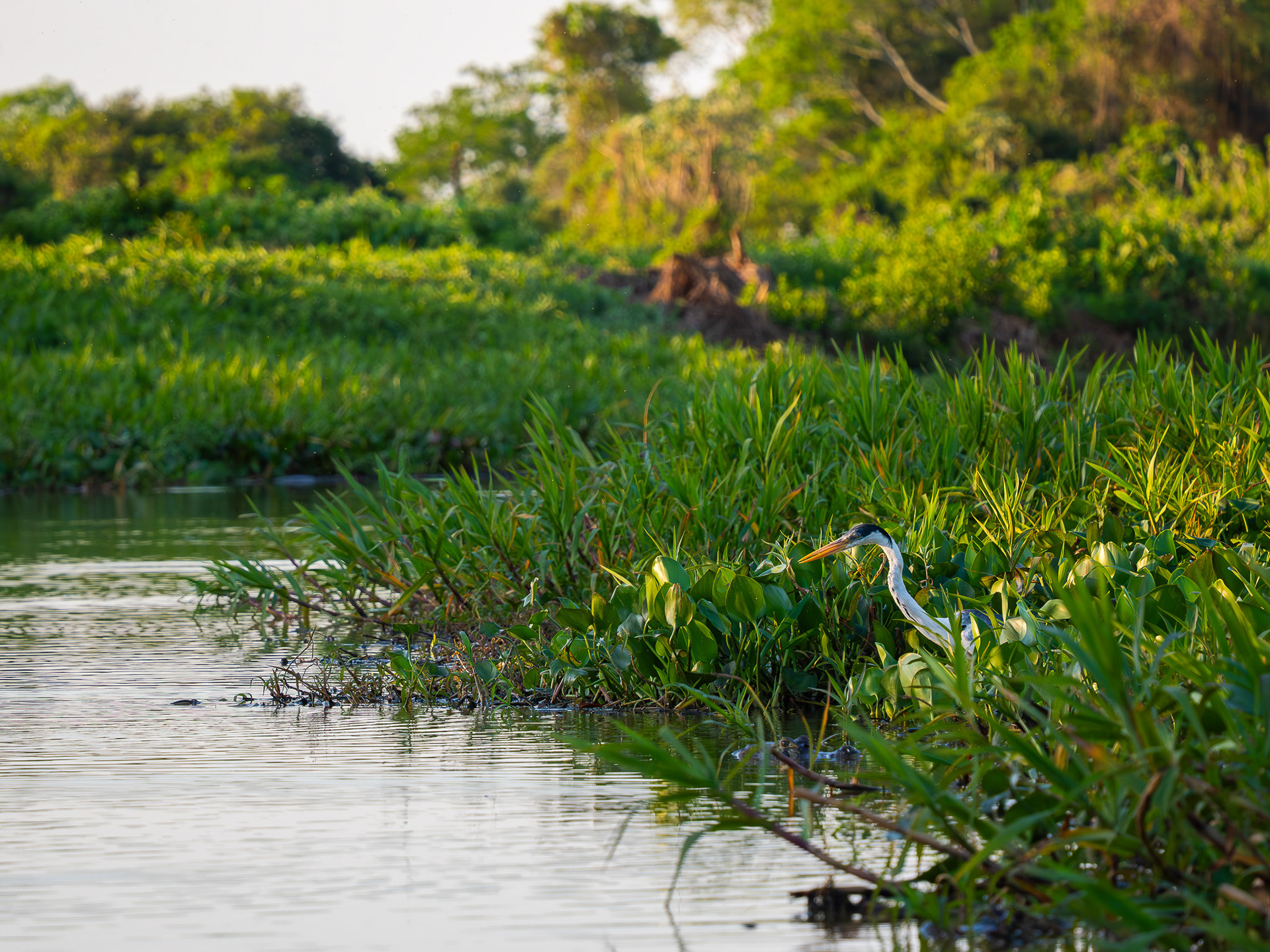
A Cocoi Heron at home in the Pantanal's rivers, lakes, marshes, and flooded grasslands.
^ Ringed Kingfisher
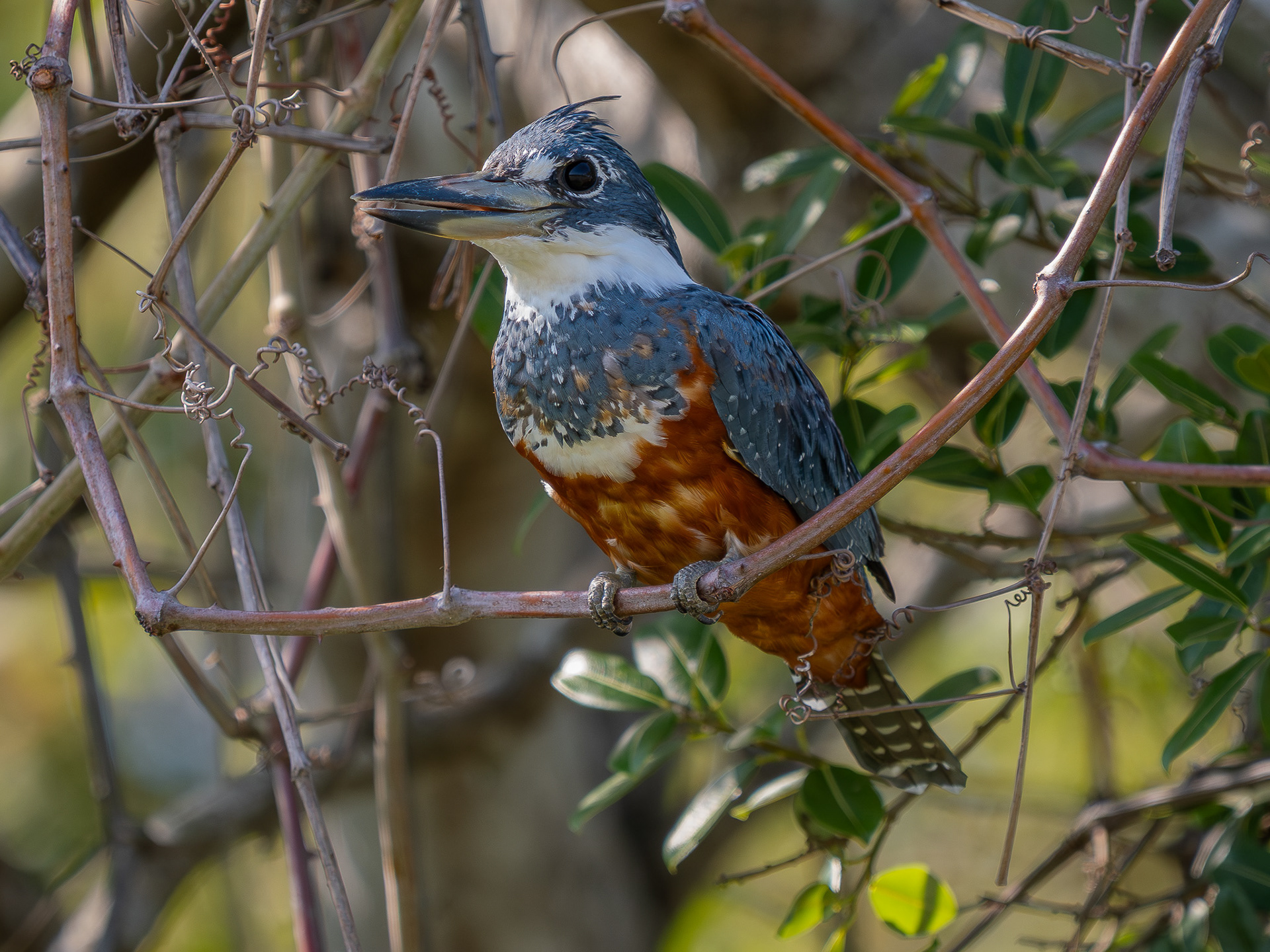
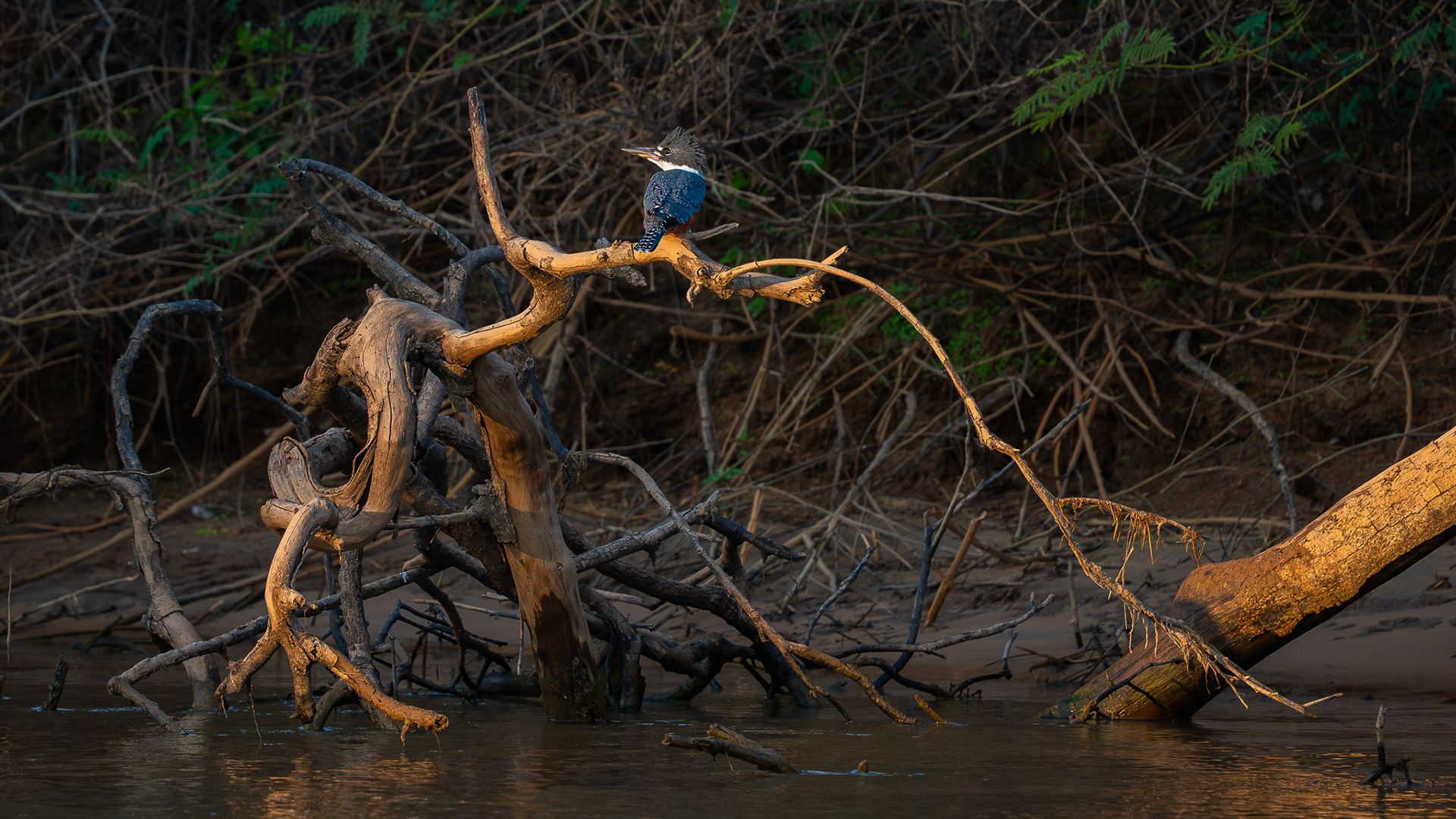
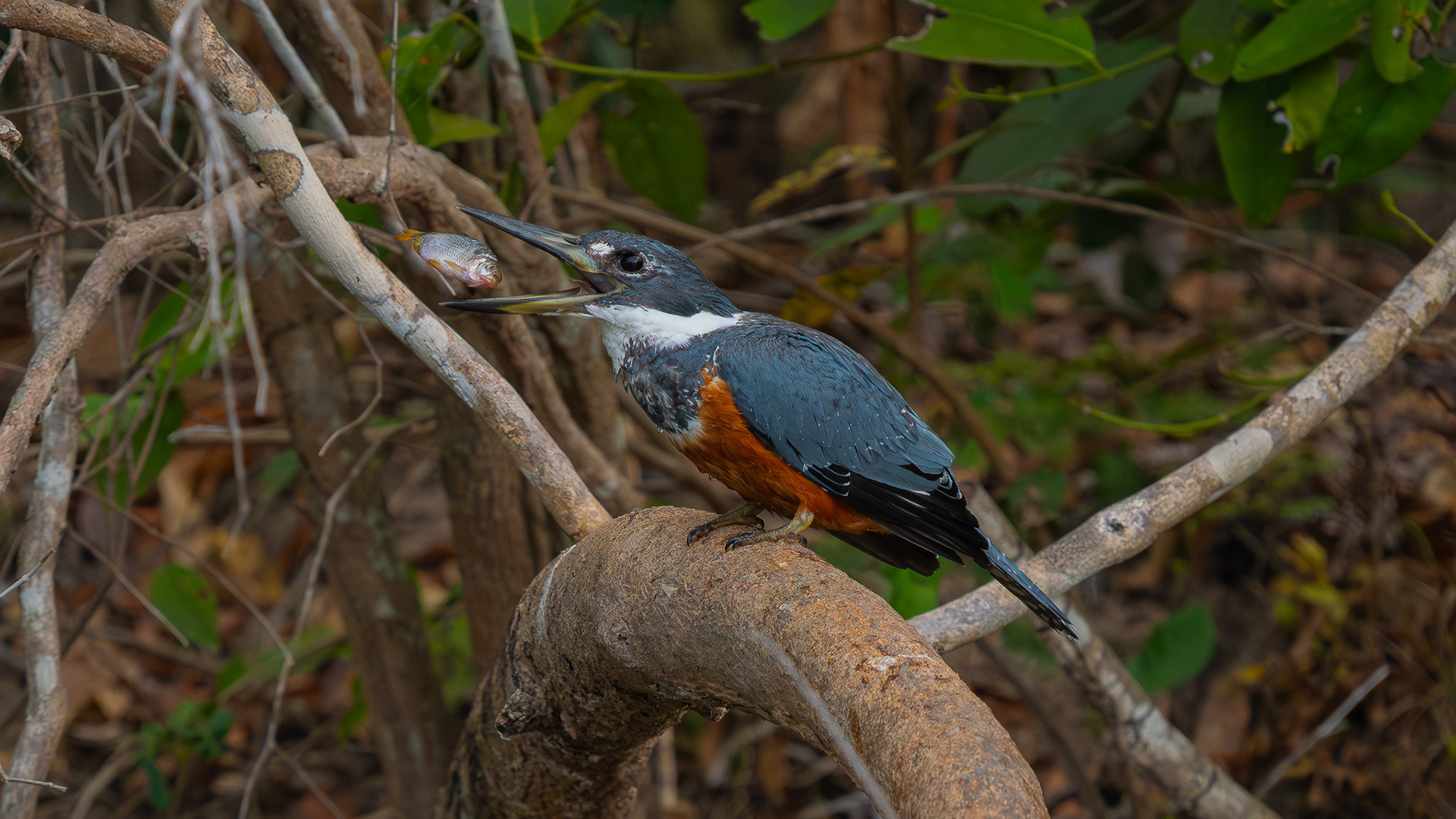
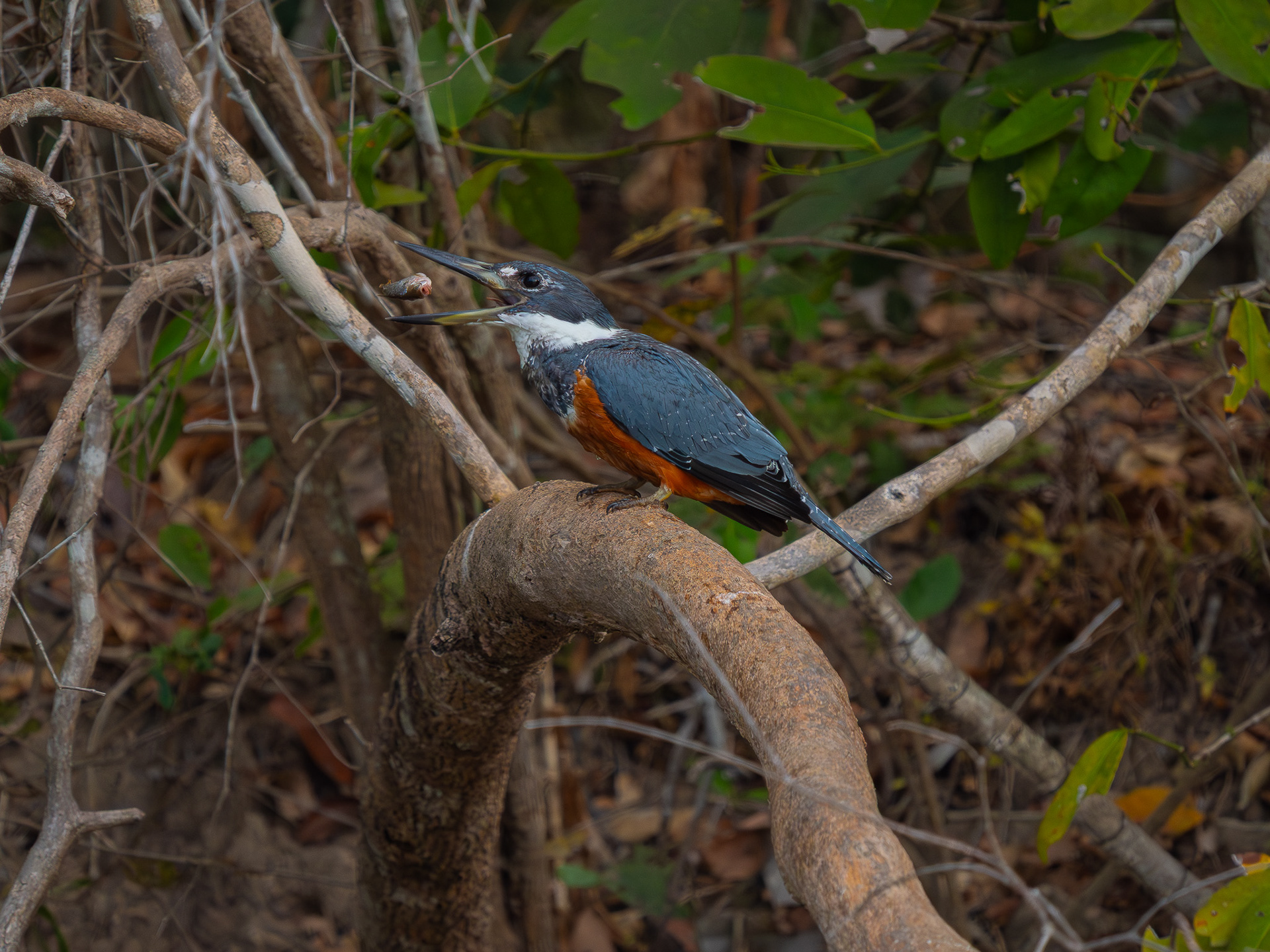
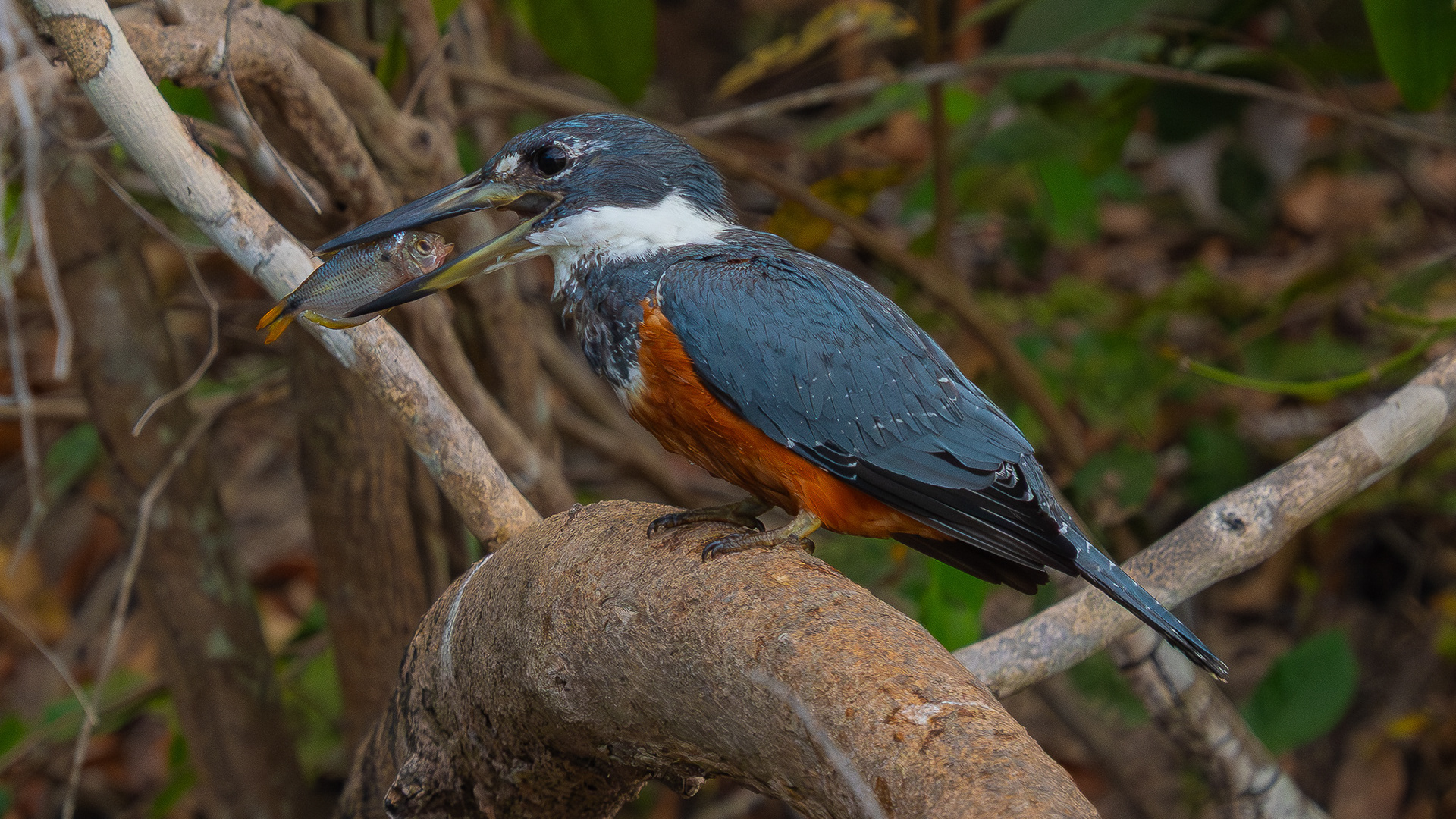
The Ringed Kingfisher (Megaceryle torquata) is the largest of the five kingfisher species found in the Pantanal wetlands and is most commonly seen along major waterways like the Cuiabá River.
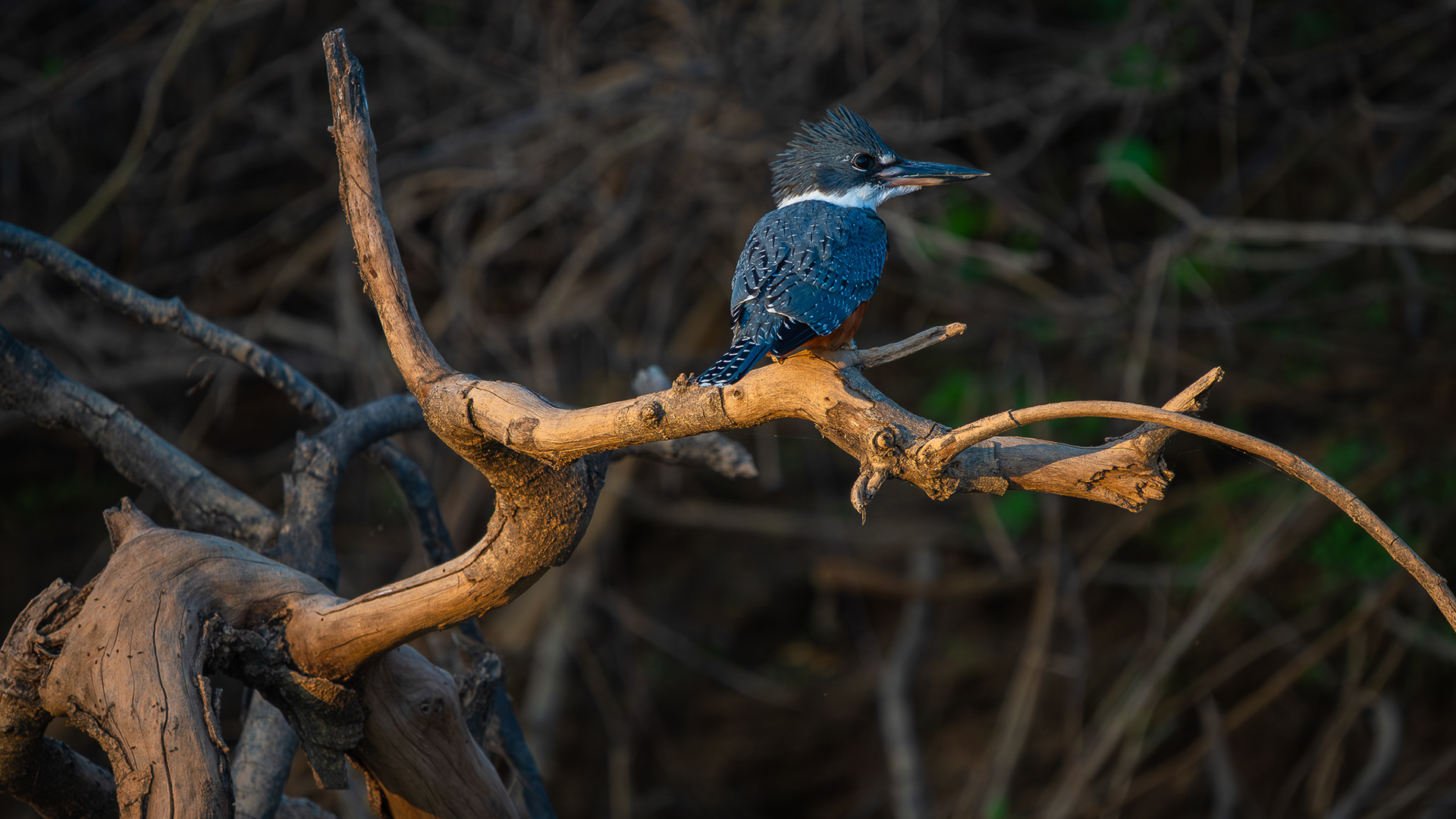
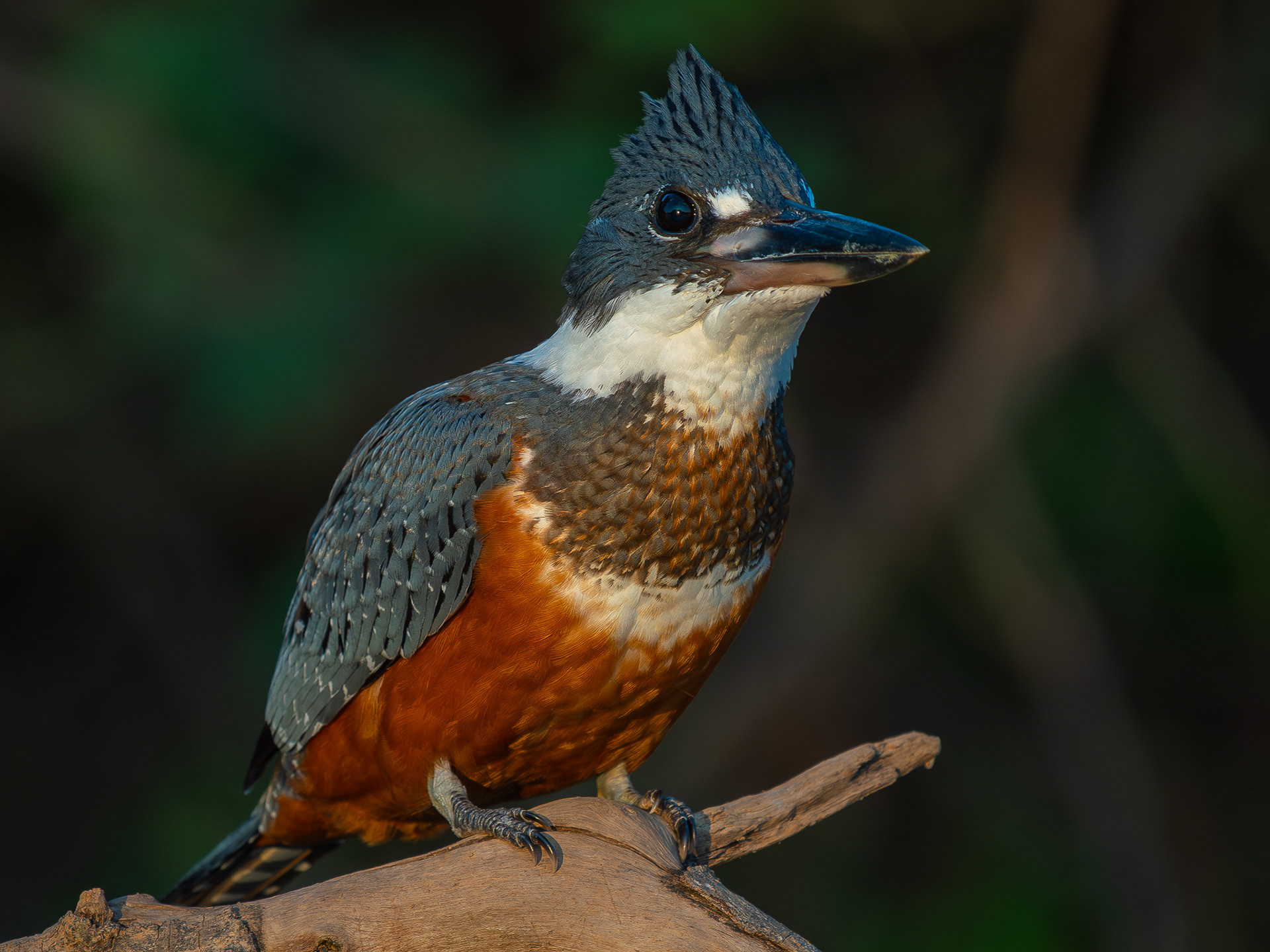
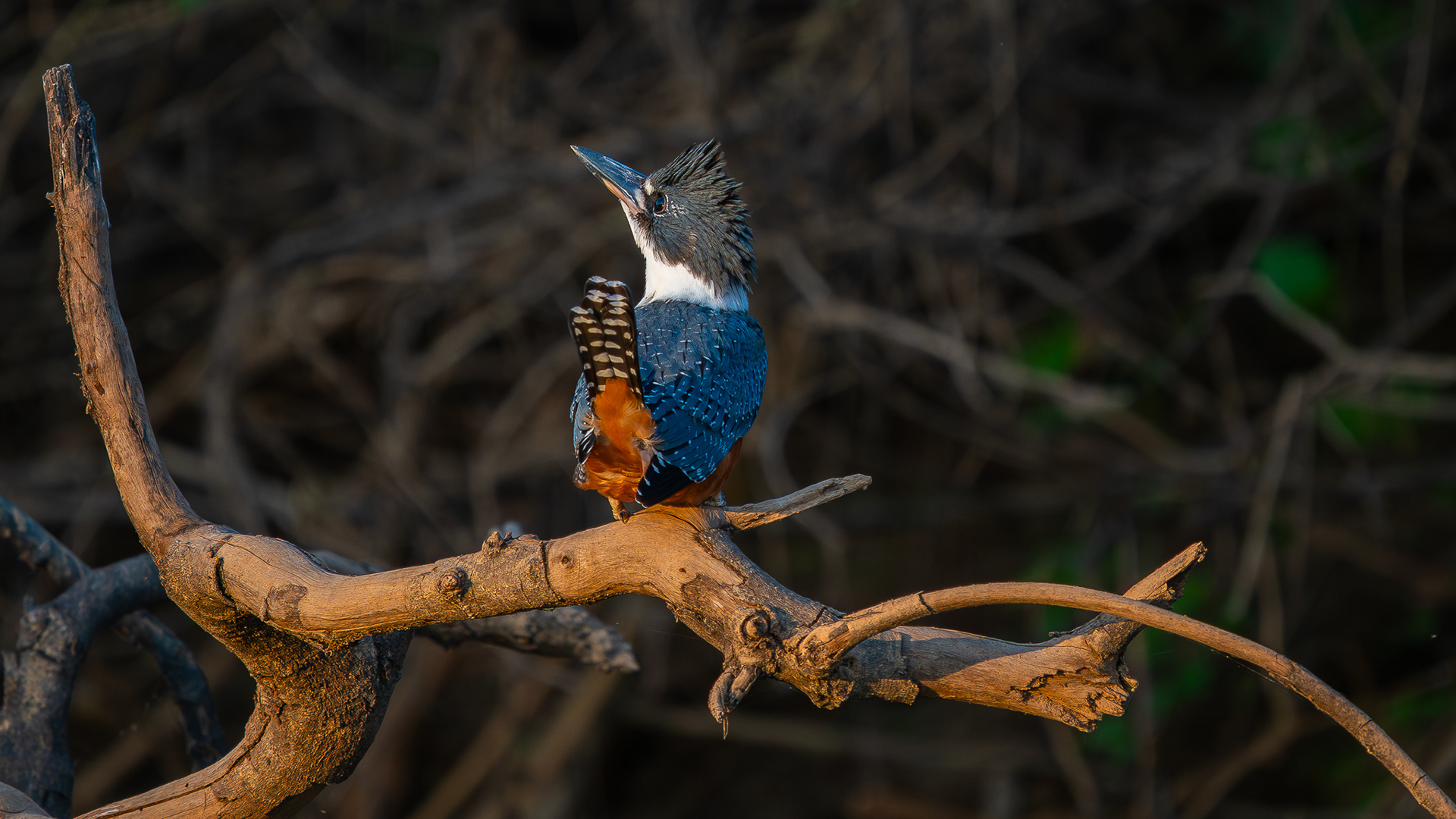
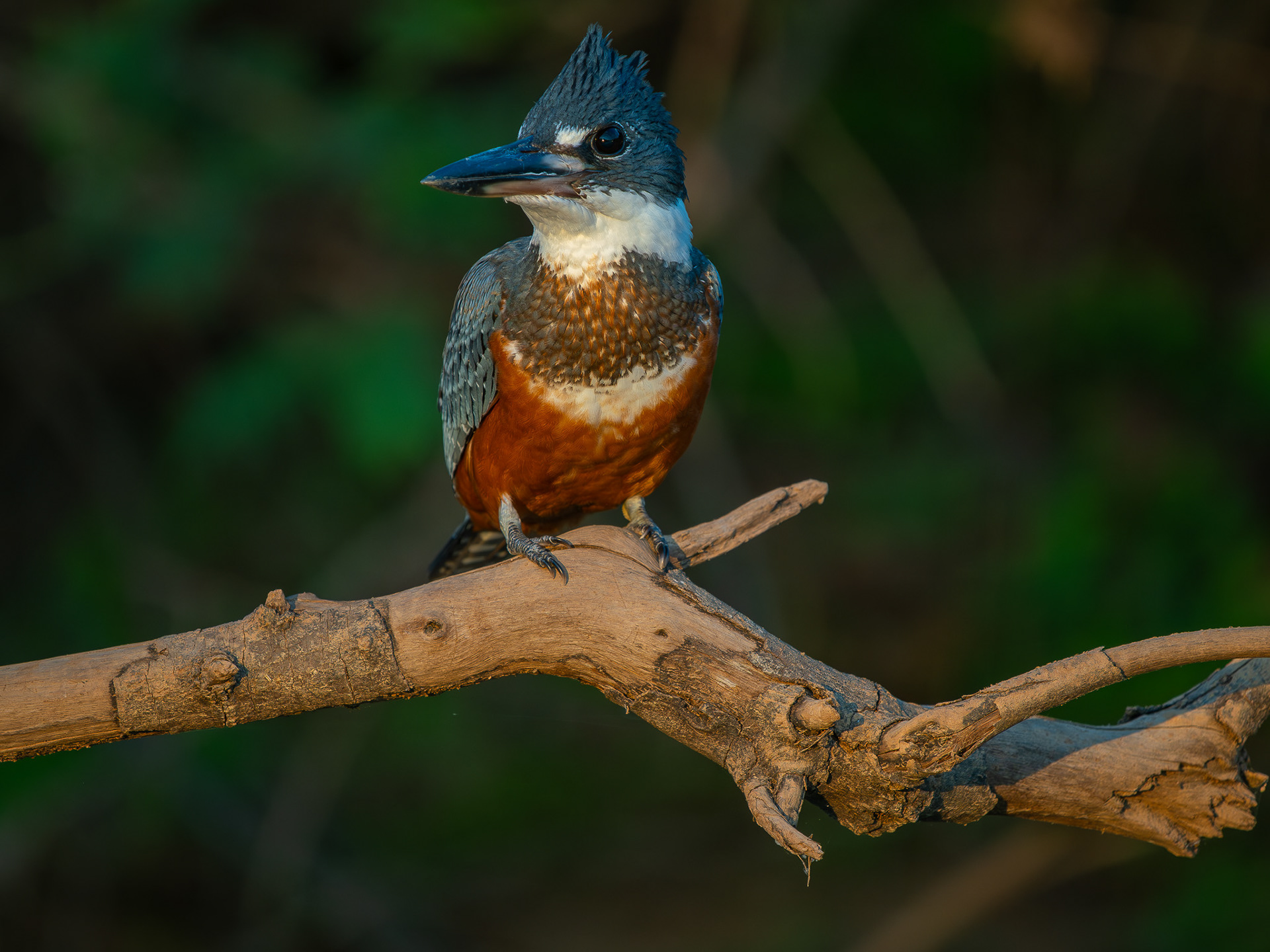
This species of kingfisher is readily identified by its large bill, harsh “keck” call, blue-grey plumage, shaggy crest, and rufous belly. Both sexes have a white collar; the male's underparts are entirely rufous, while the female (shown here) has a blue-grey breast-band edged with white.
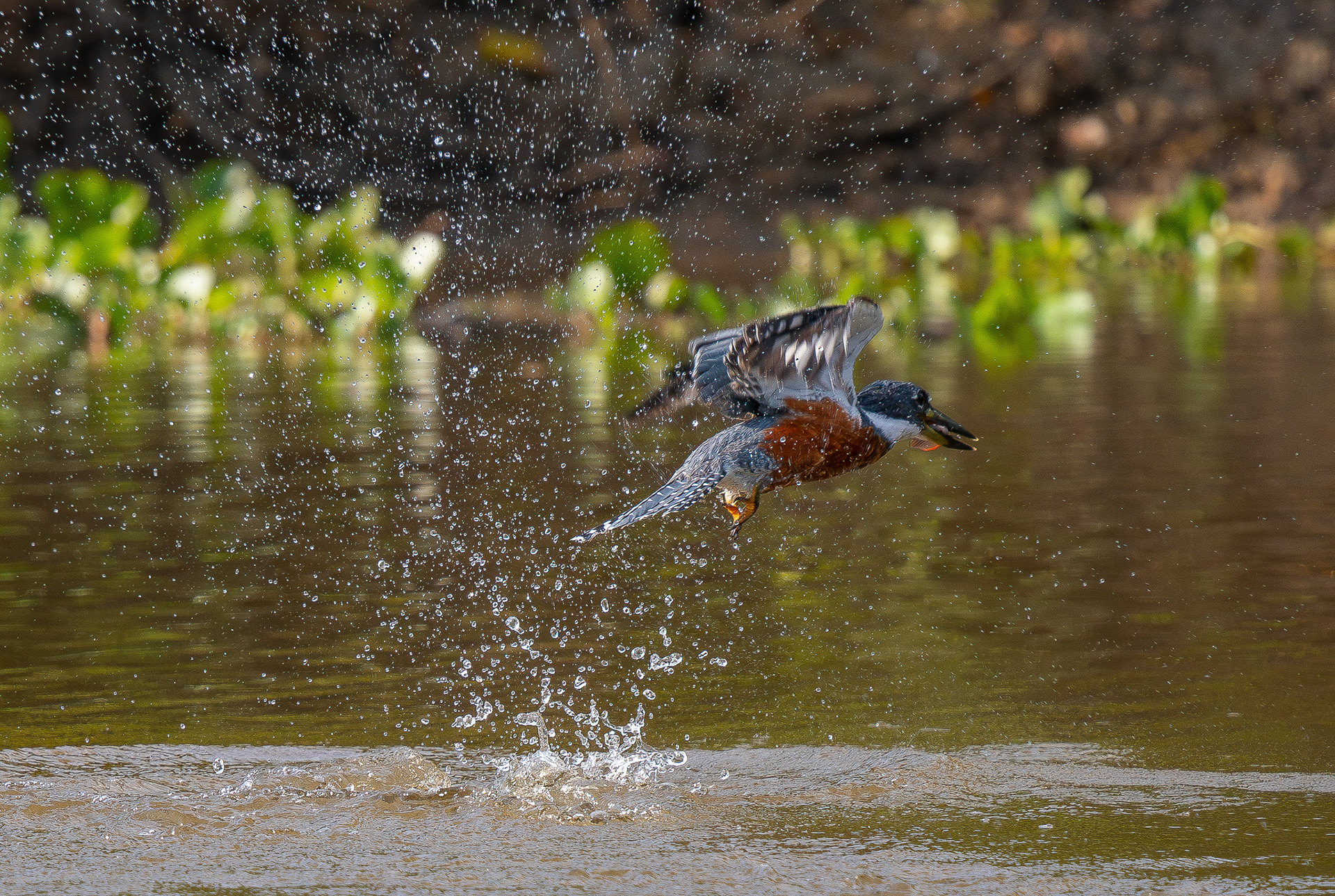
Highly territorial and noisy, these feisty birds often dive from exposed perches to catch fish, but also feed on frogs, crabs, and insects.
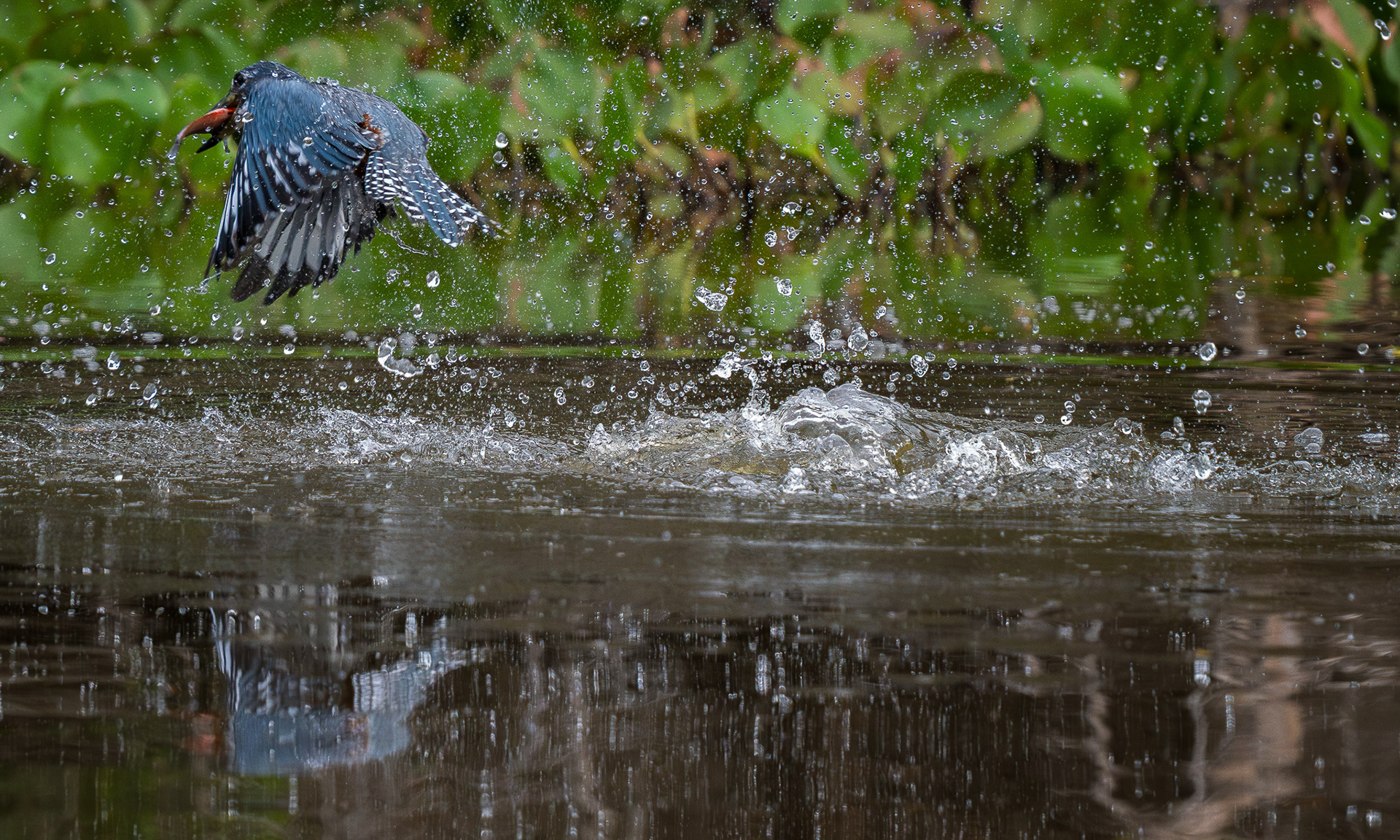
A Ringed Kingfisher bursts from the water with a fish creating the perfect photo opportunity to record a splash-filled moment of a successful hunt.
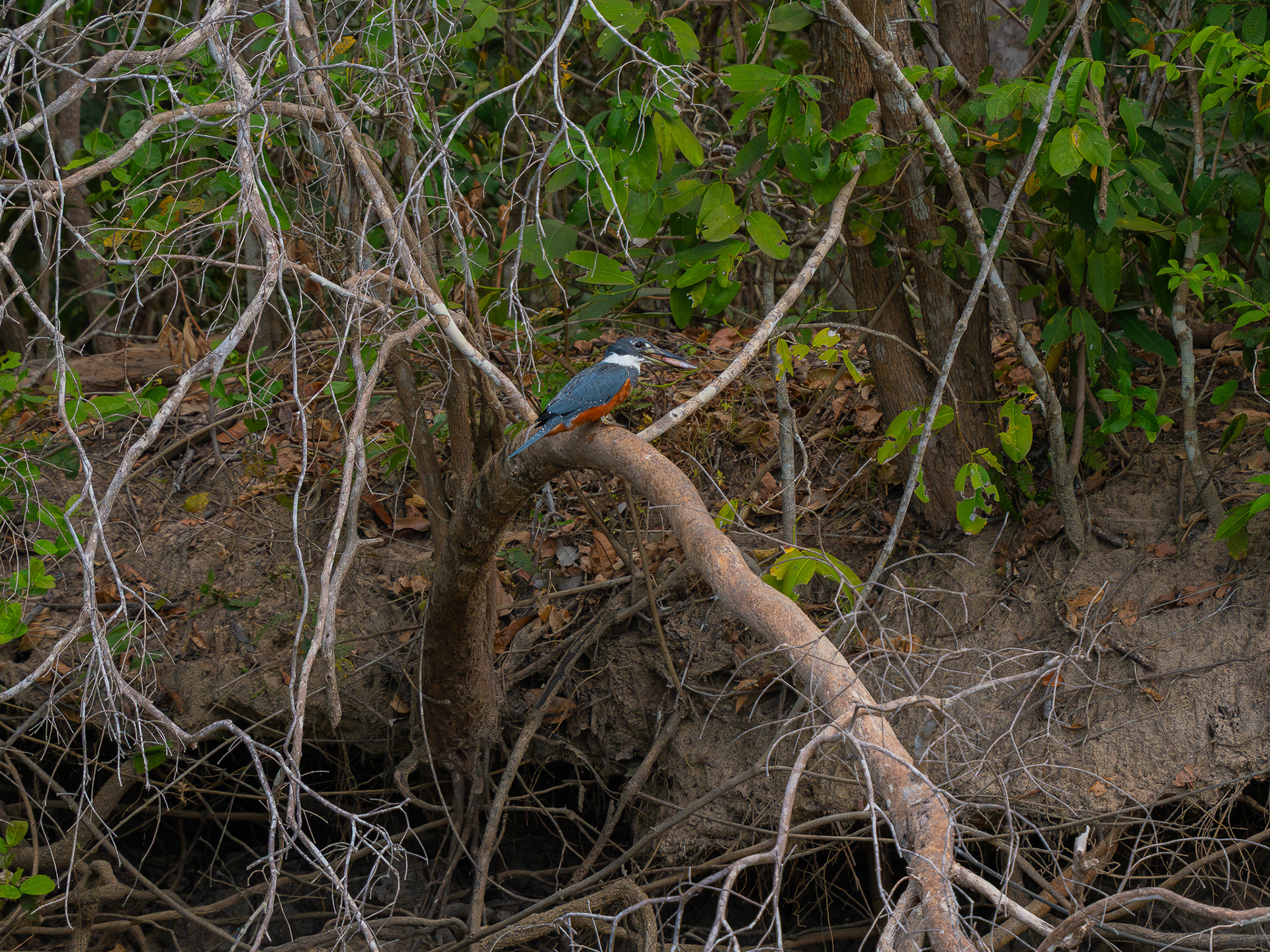
The bird returns to its perch after a successful dive.
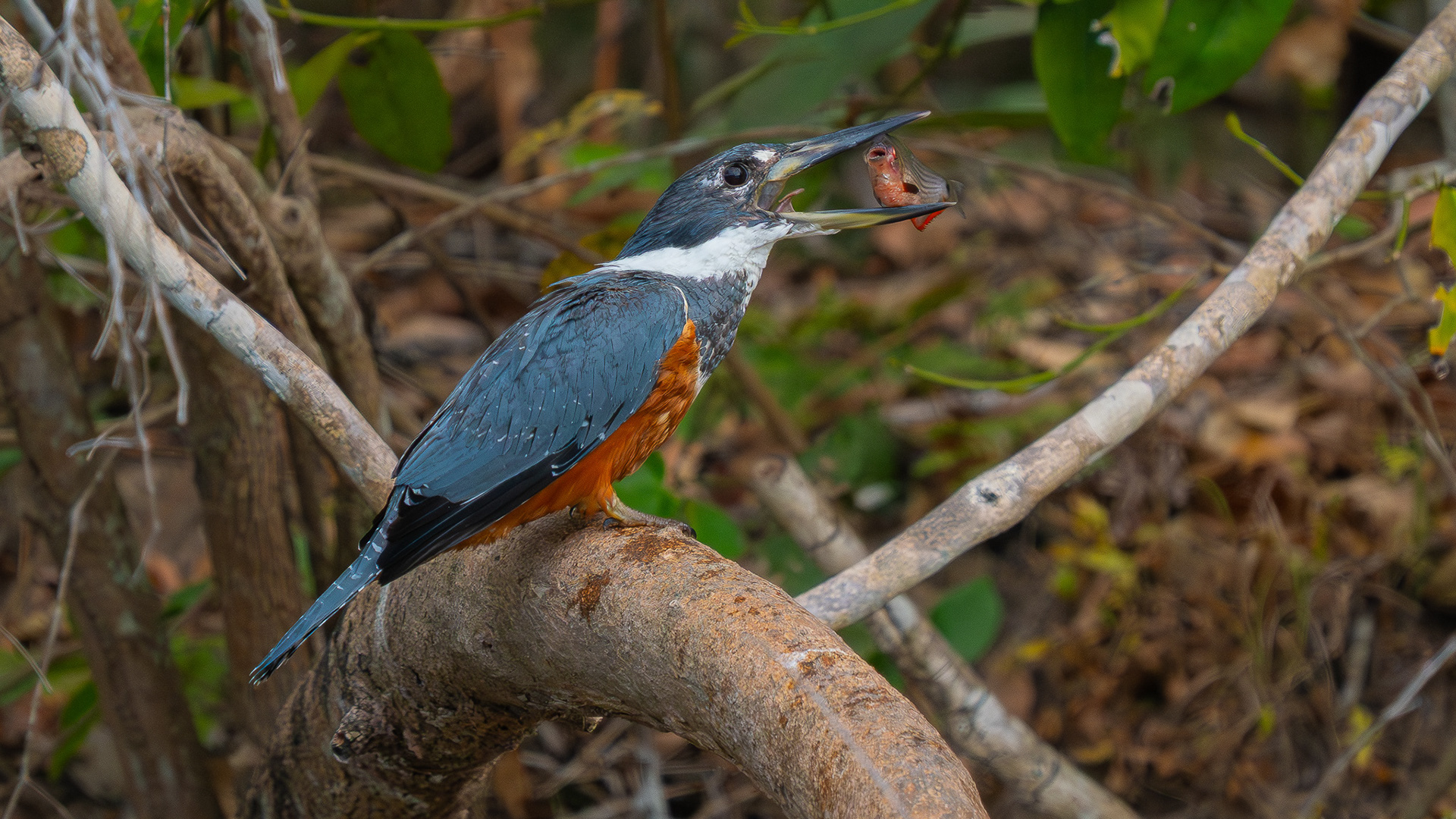
After gripping the fish by the tail and striking it against the perch, the bird turns it head-first before swallowing its catch.
^ Sunbittern
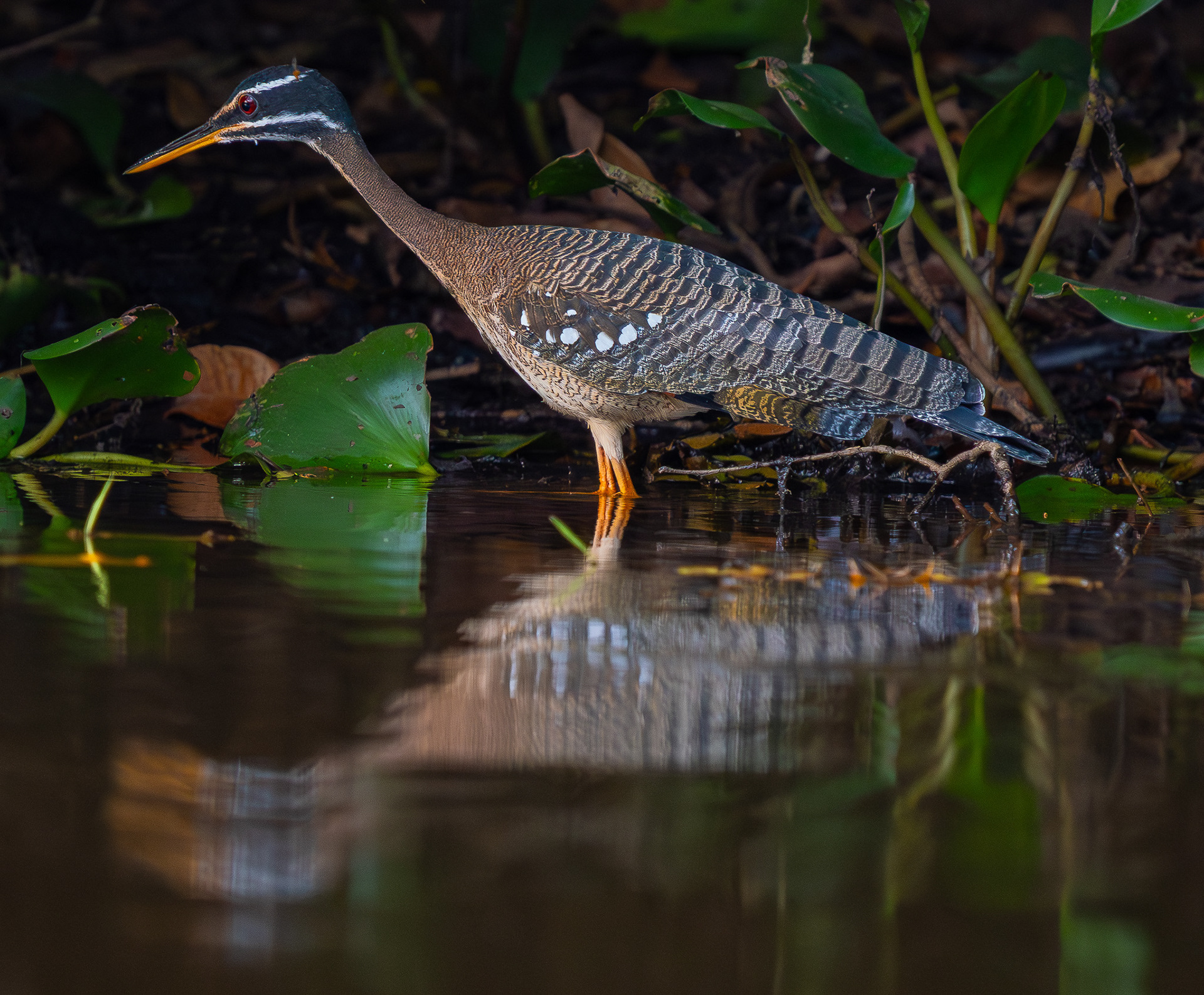
A Sunbittern (Eurypyga helias) quietly stalks prey along rivers, streams, and swamps. Most active at dawn and dusk, it often announces itself with long, haunting whistles.
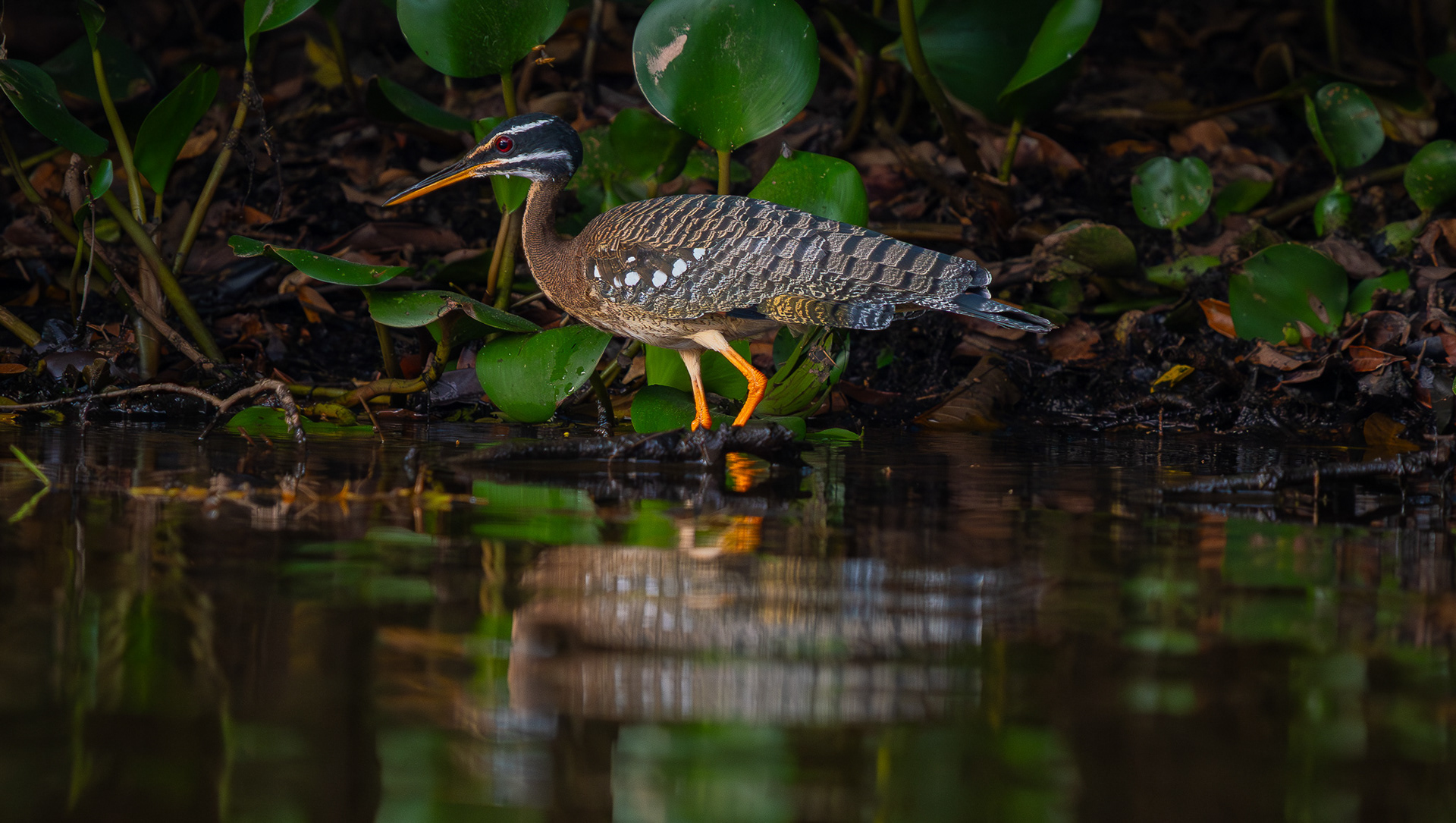
The Sunbittern is a patient hunter, standing still or moving slowly to catch insects, small fish, and other aquatic prey.
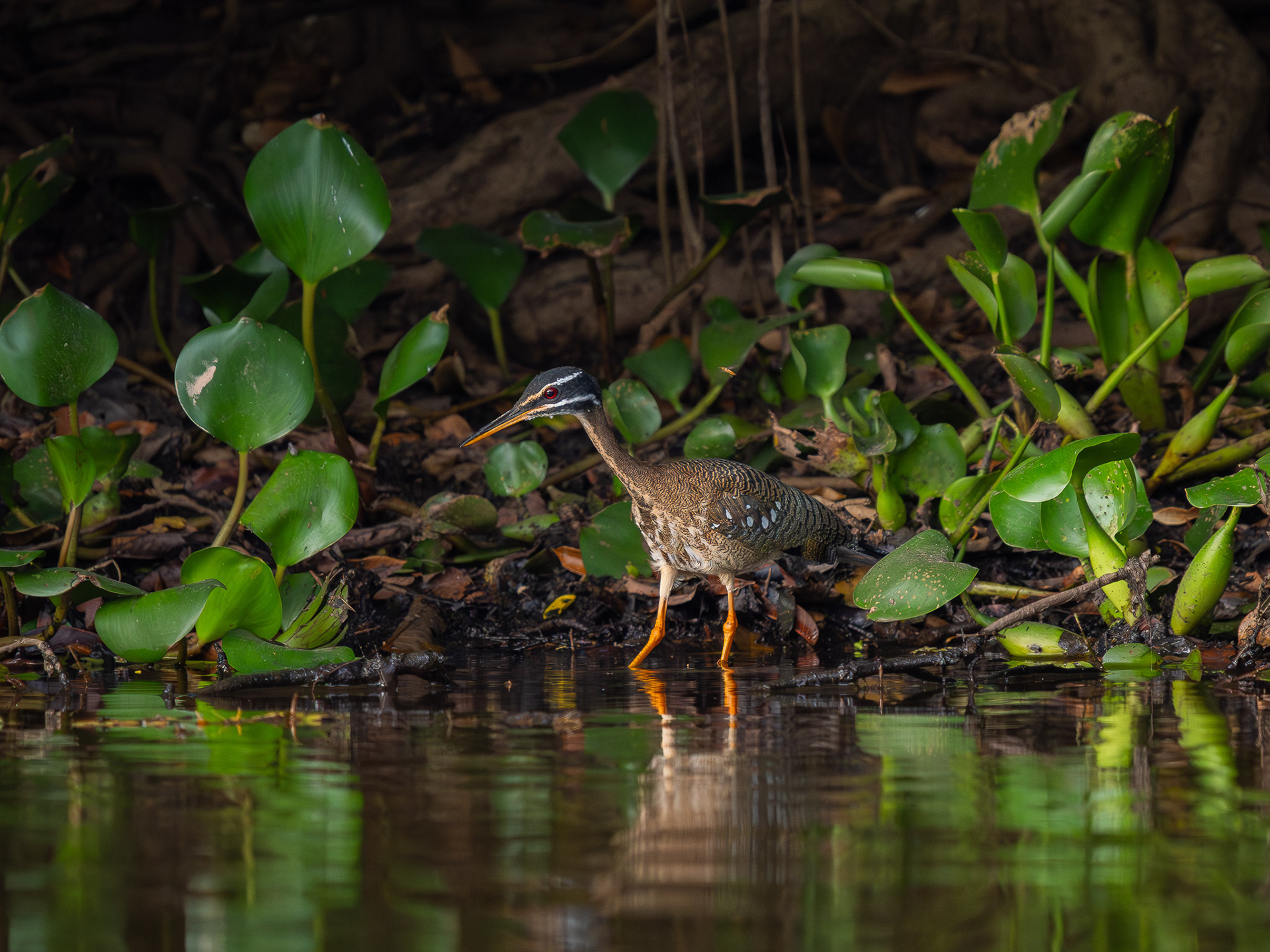
The Sunbittern is the sole representative of the family Eurypygidae.
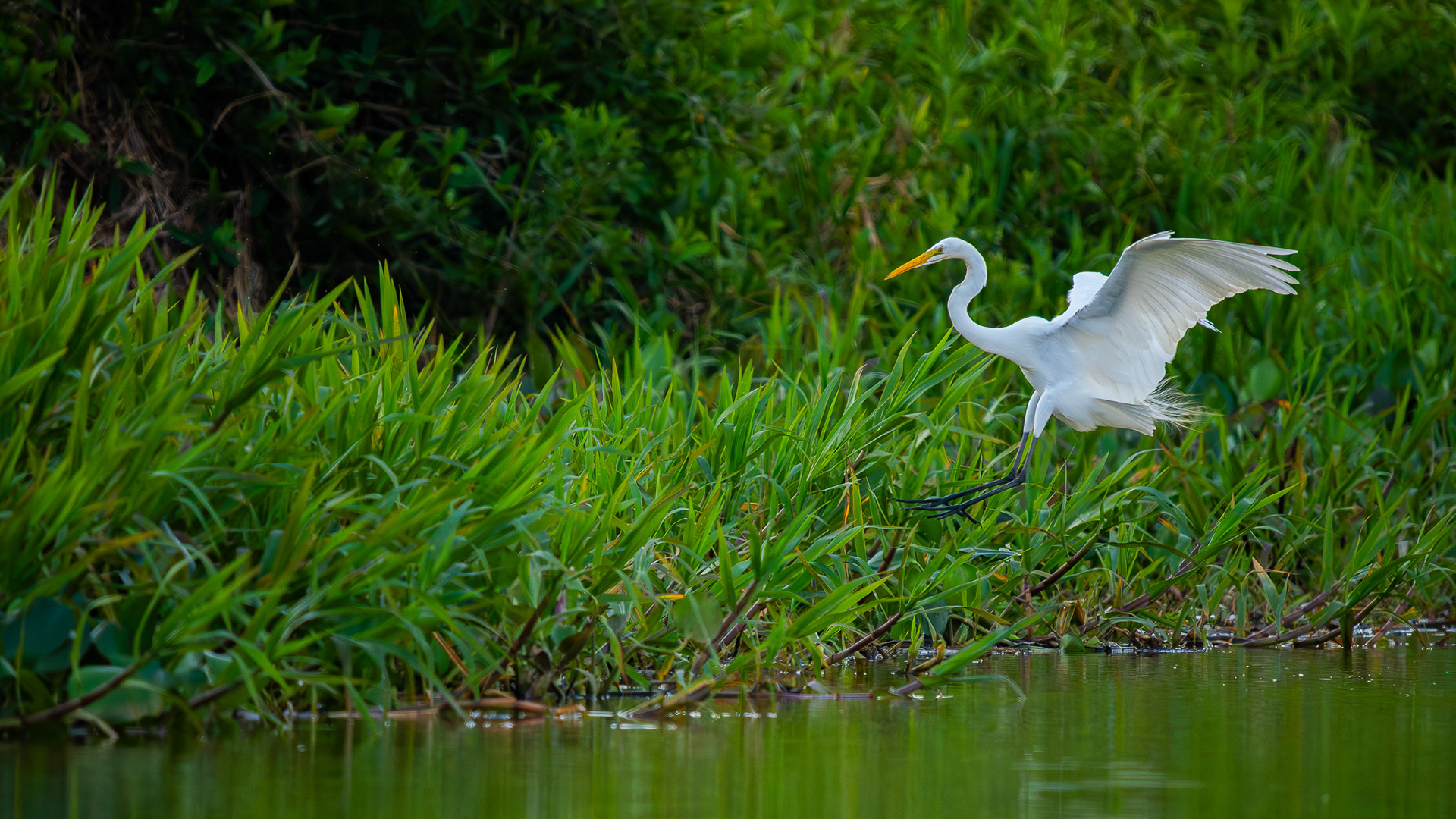
^ Great Egret
The Great Egret (Ardea alba) is an elegant, solitary hunter, often standing motionless or moving slowly before striking prey with its sharp bill. Its diet includes fish, frogs, small mammals, reptiles, and insects.
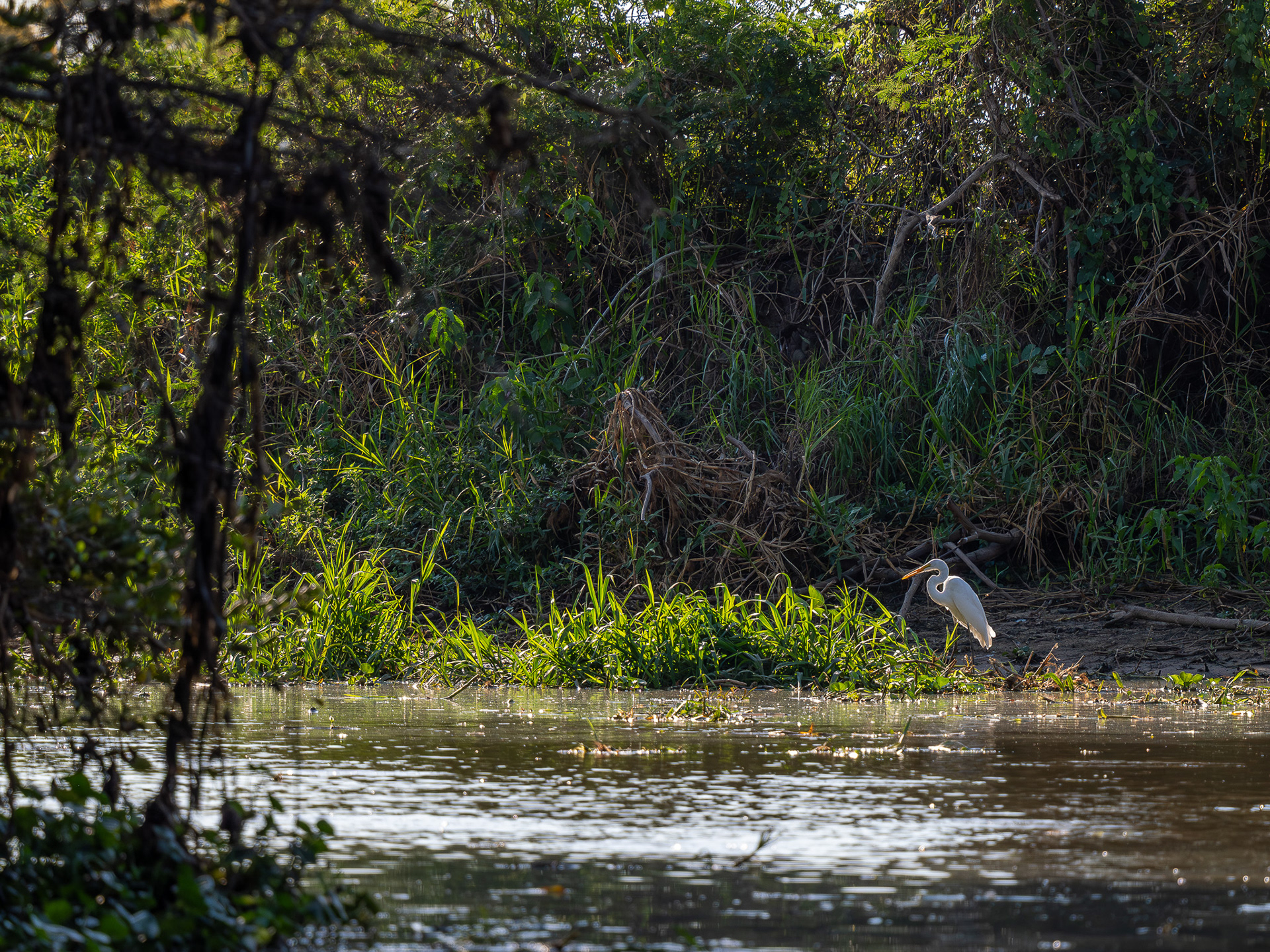
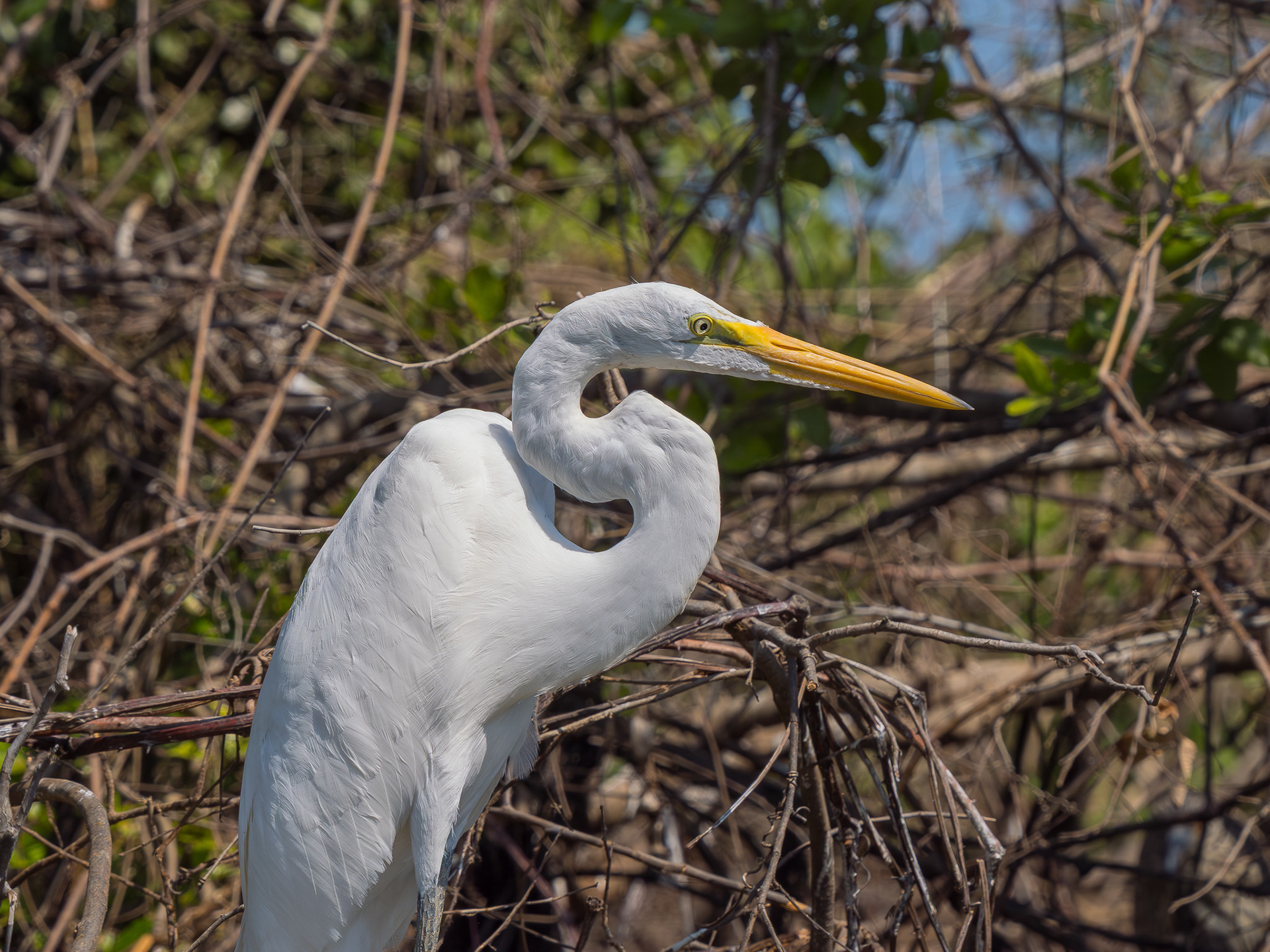
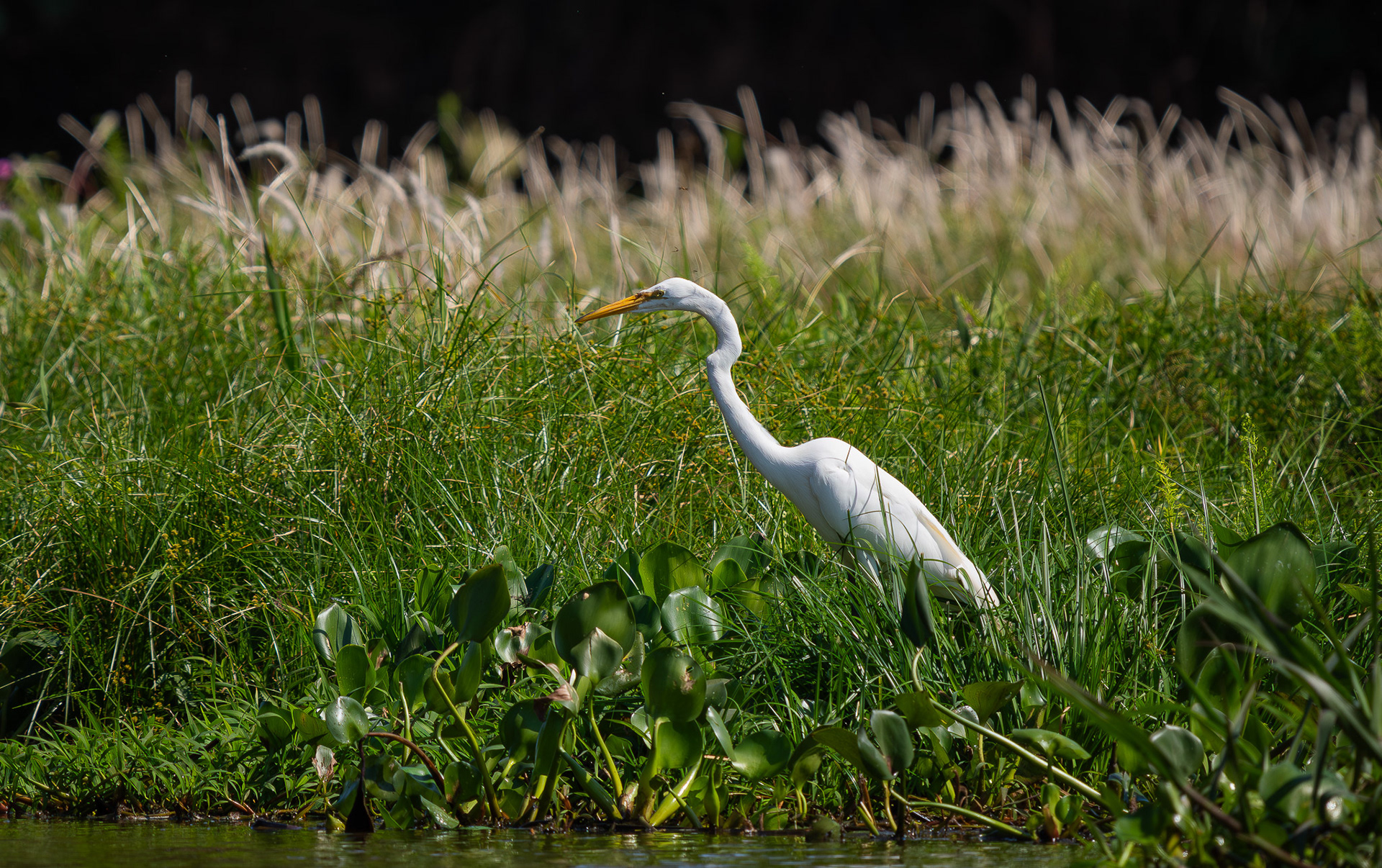
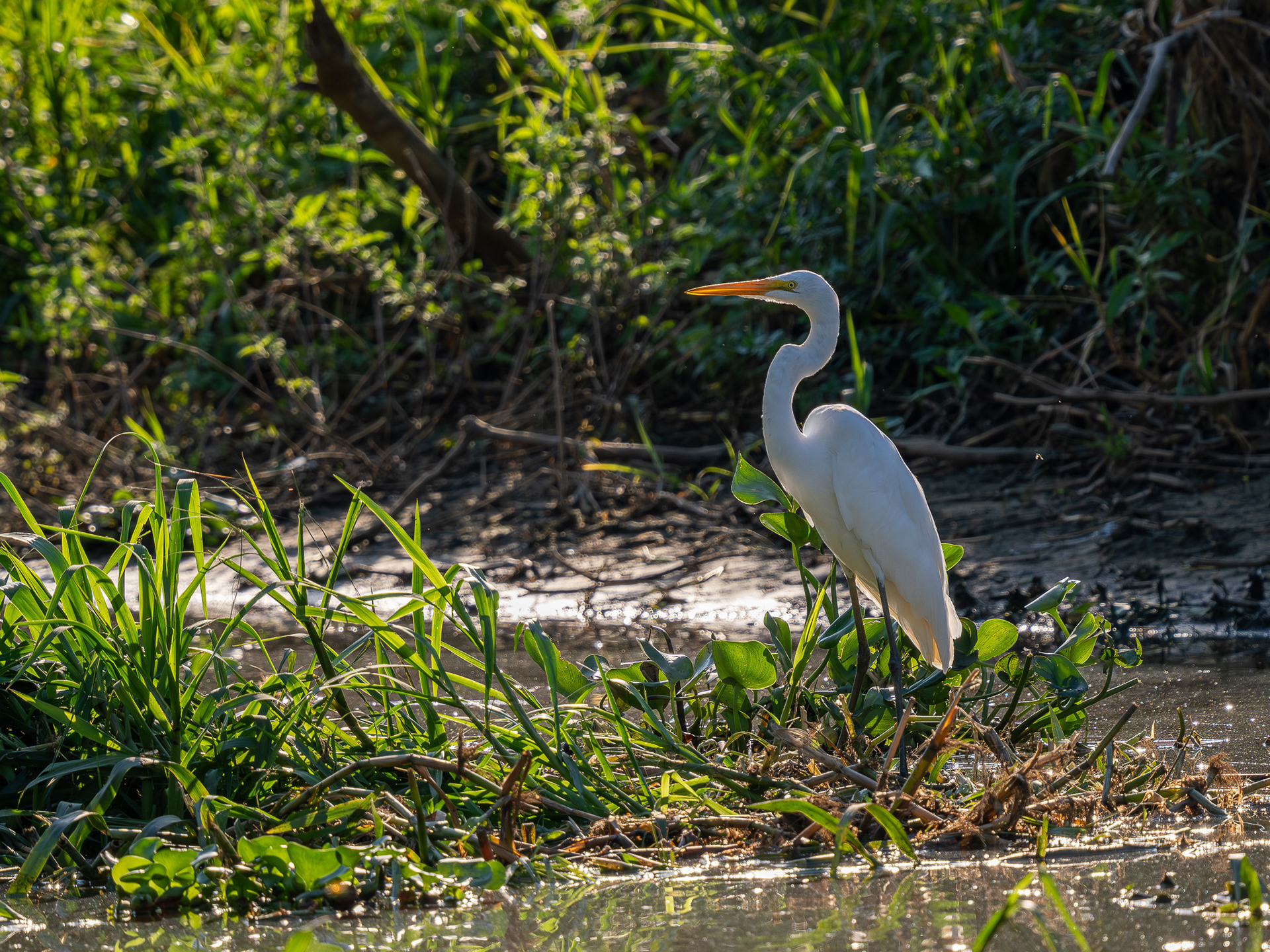
The Great Egret is found throughout the Pantanal's marshes and seasonally flooded plains.
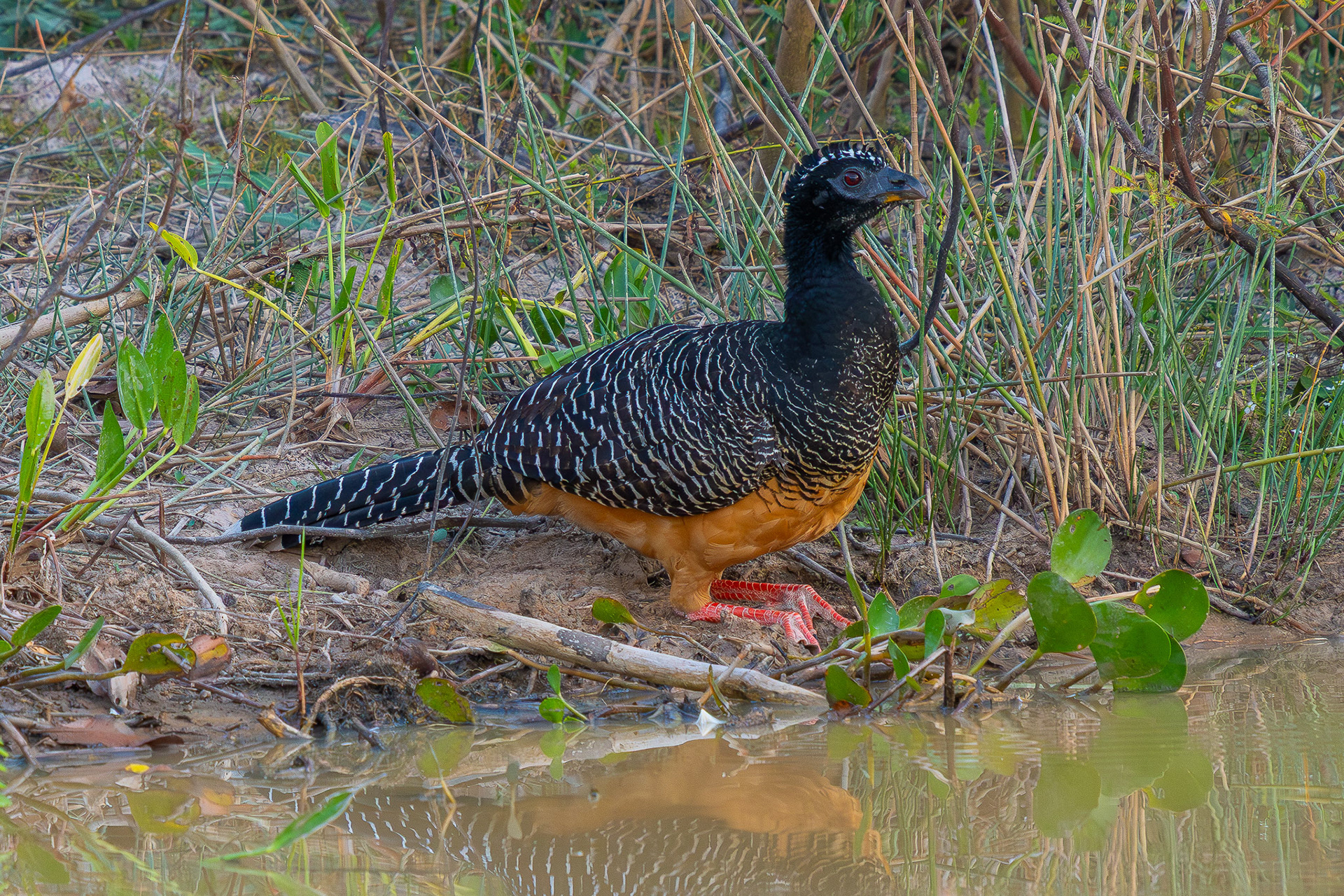
^ Bare-faced Curassow
The Bare-faced Curassow (Crax fasciolata) is a large ground-forager that feeds on fruits, seeds, flowers, leaves, and invertebrates, roosting in trees at night. The female (above) looks markedly different from the male (below).
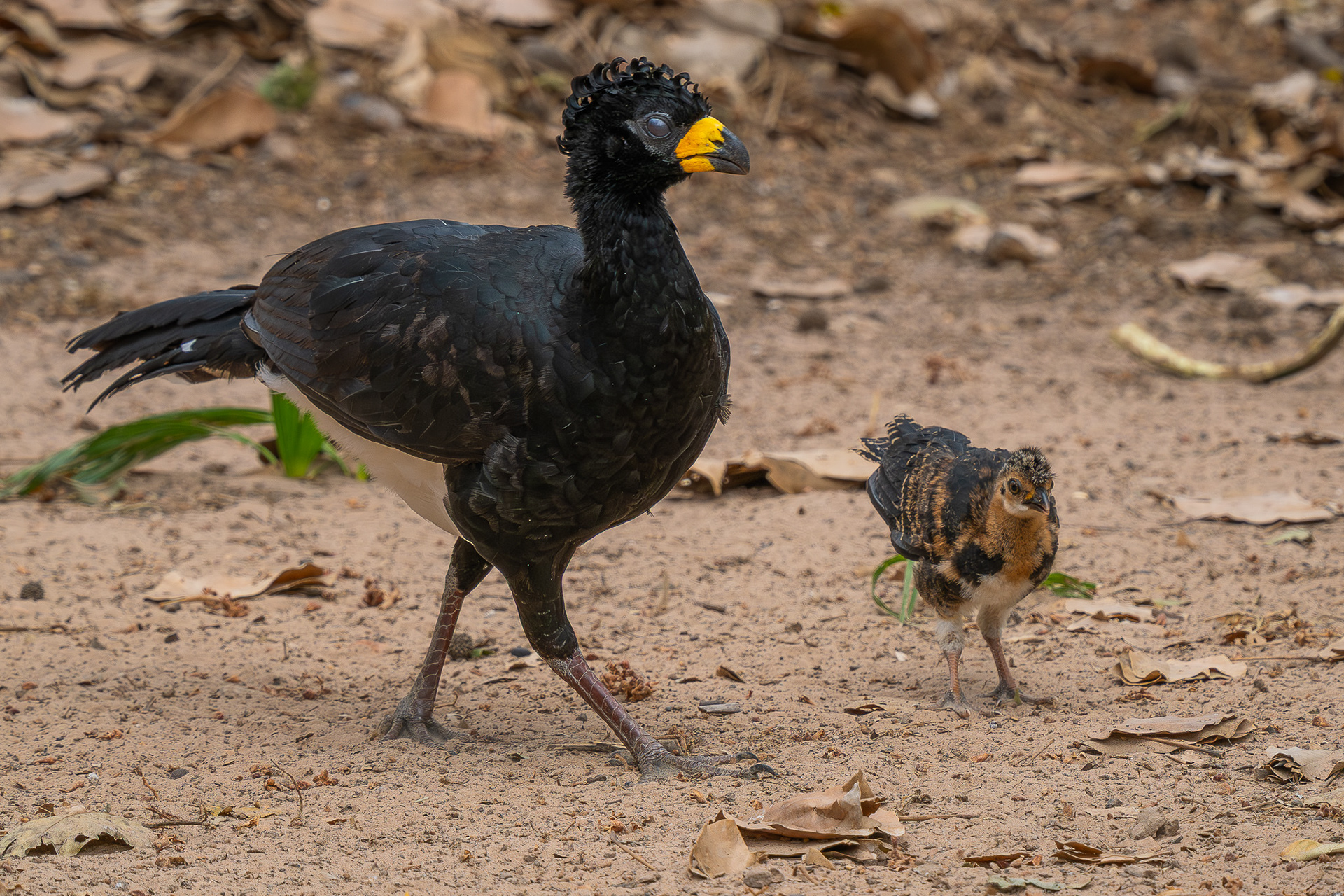
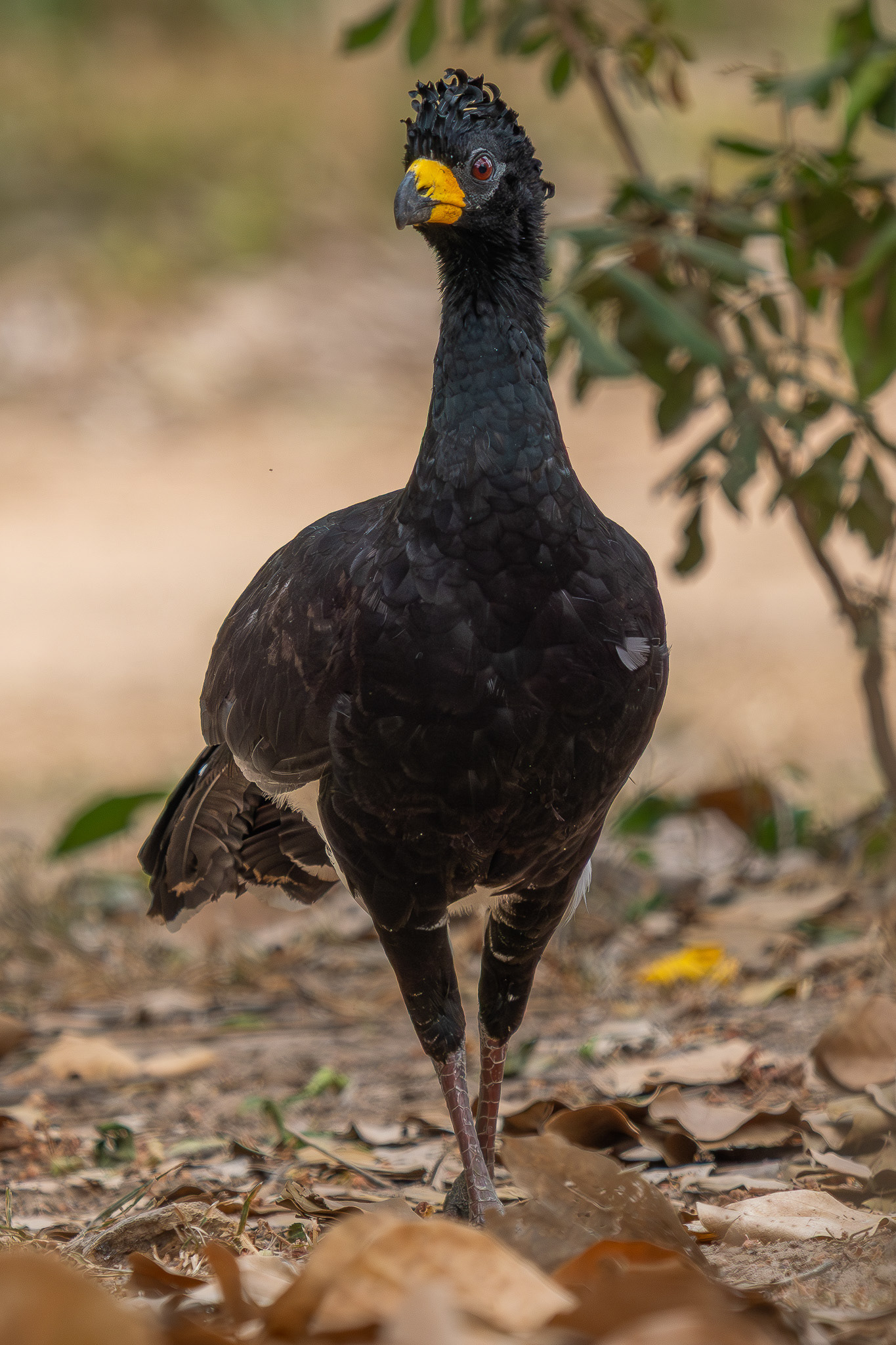
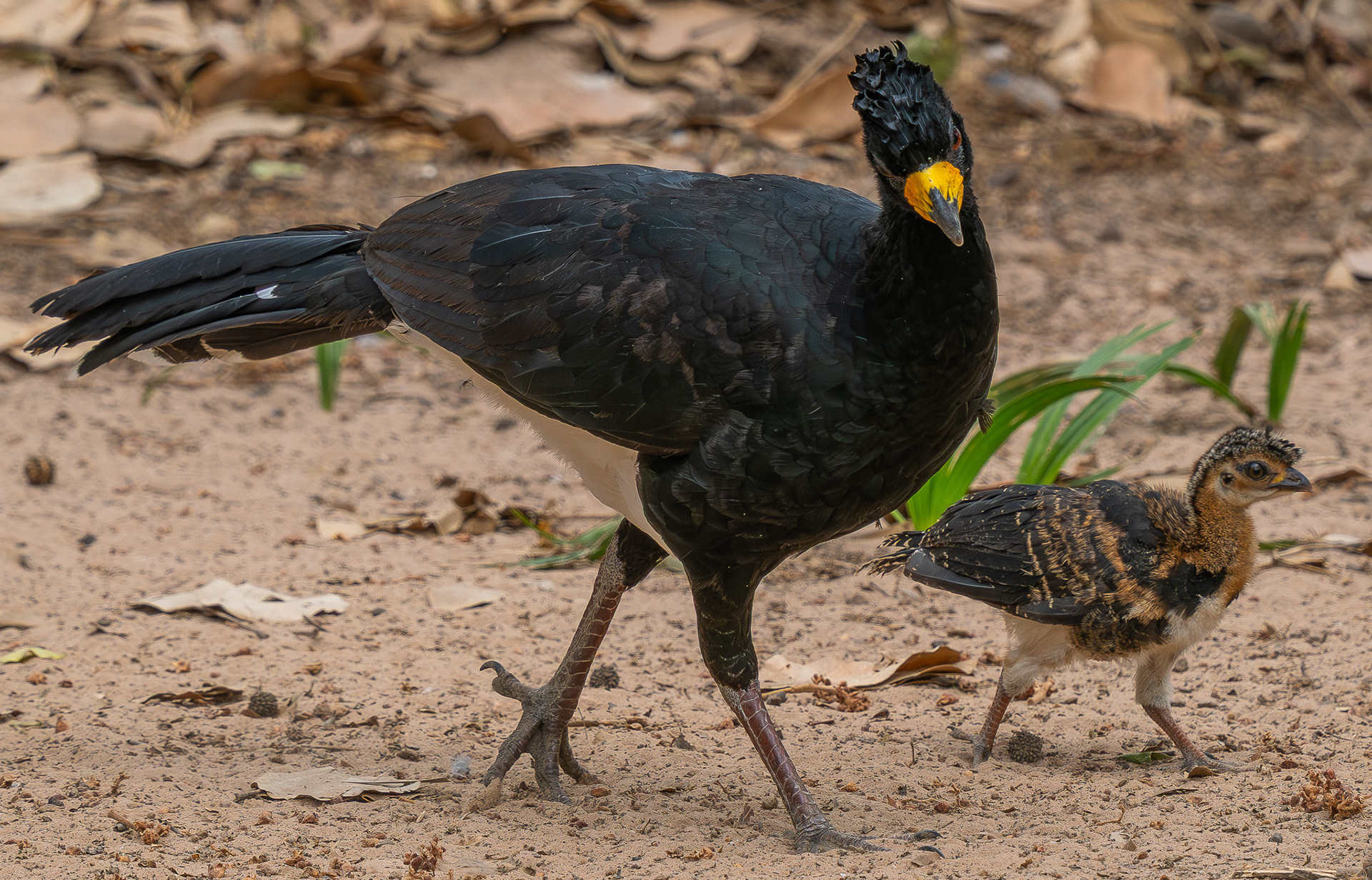
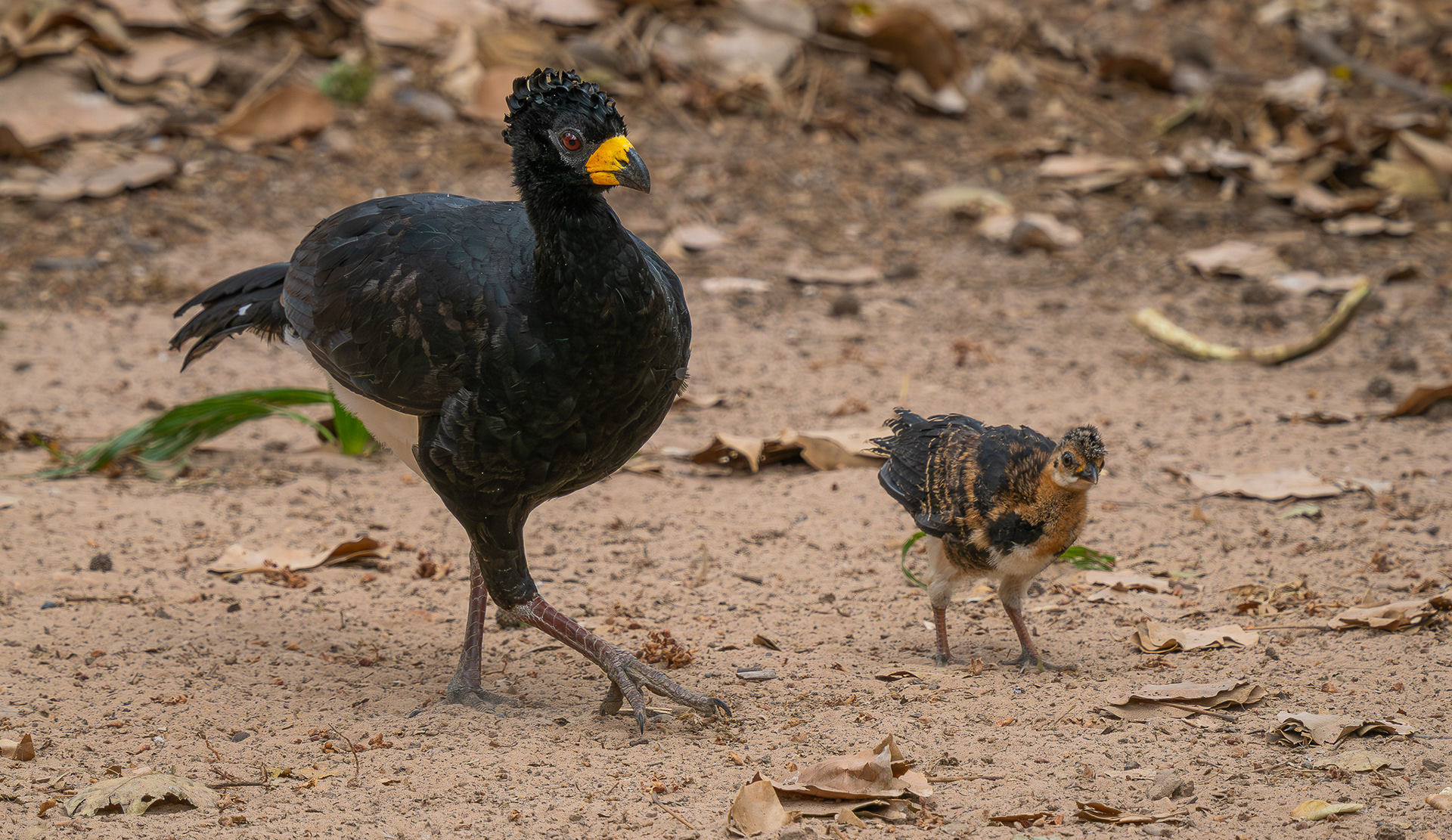
The female Bare-faced Curassow incubates a typical two-egg clutch for about 30 days. After hatching, the male helps care for the young. The precocial chicks are fully feathered, feed themselves, and can make short flights soon after hatching.
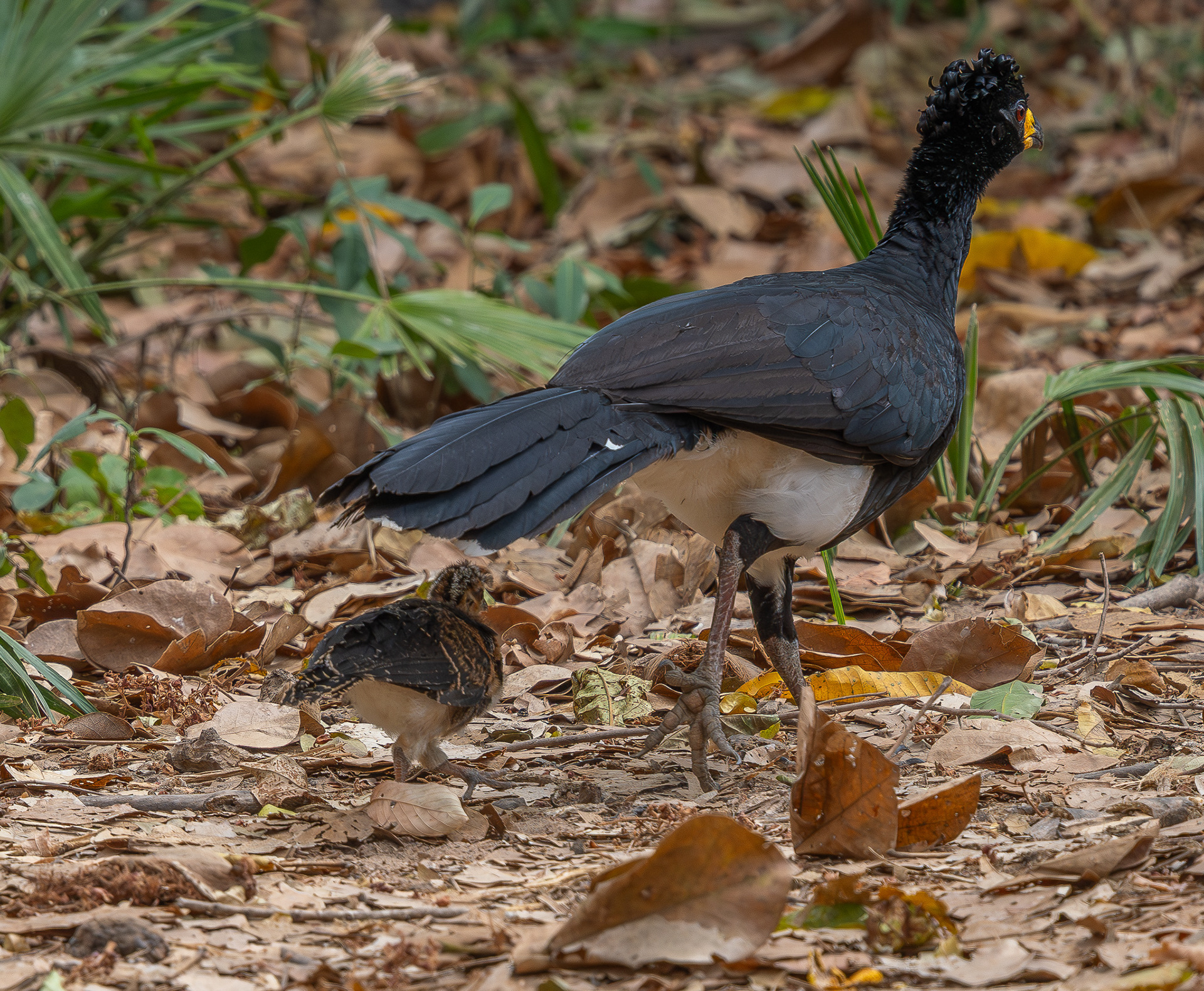
A Bare-faced Curassow chick follows its father, sheltering under his tail feathers. Sensitive to heat, chicks often stay close to their parents for protection and cooling.
^ Chaco Chachalaca
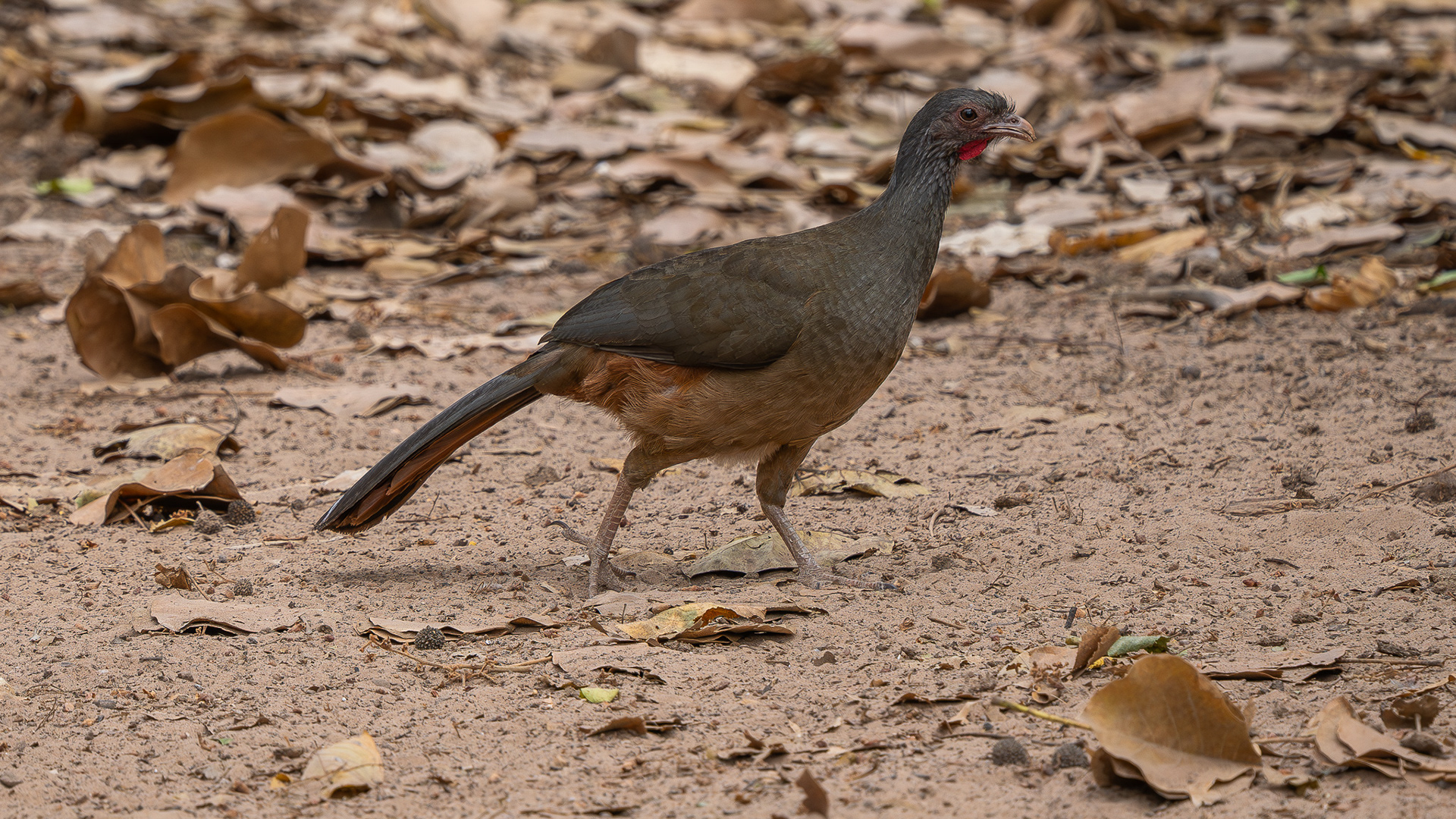
The Chaco Chachalaca (Ortalis canicollis) is known for its loud, raucous duets, often sounding like “cha-cha-lac-ah”. Despite their noise, they are shy and prefer dense cover. Living in family groups of up to 30, they are highly territorial. Mostly vegetarian, they feed on fruits, seeds, and flowers, occasionally eating insects. Their breeding season peaks from August to October.
^ Blue-Throated Piping Guan
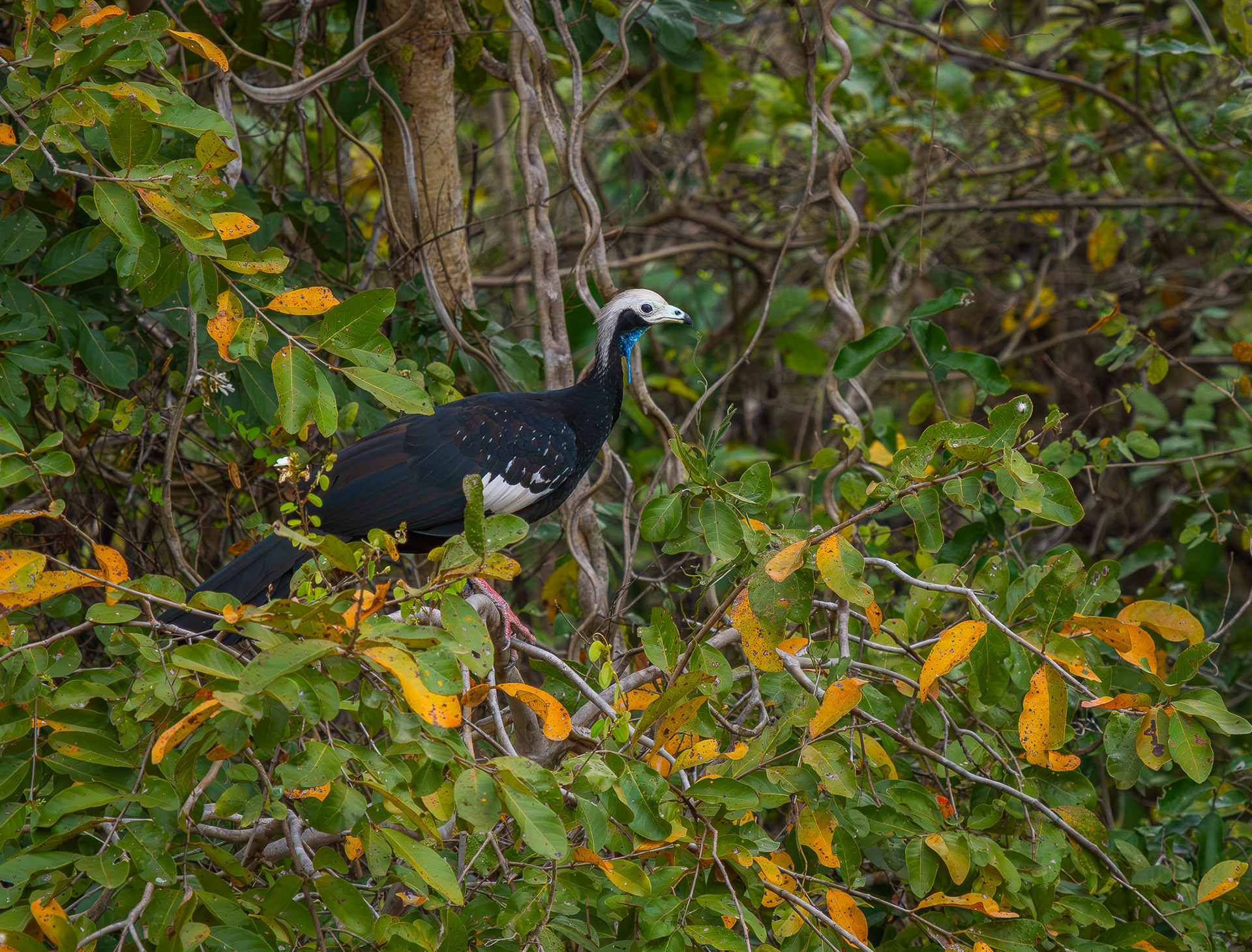
The Blue-Throated Piping Guan (Pipile cumanensis) is a large black-and-white bird, easily recognised by its blue throat wattle and clear, piping dawn calls. Primarily arboreal, it spends most of its time in the canopy but descends to feed on fruits and leaves, especially figs and palm fruit.
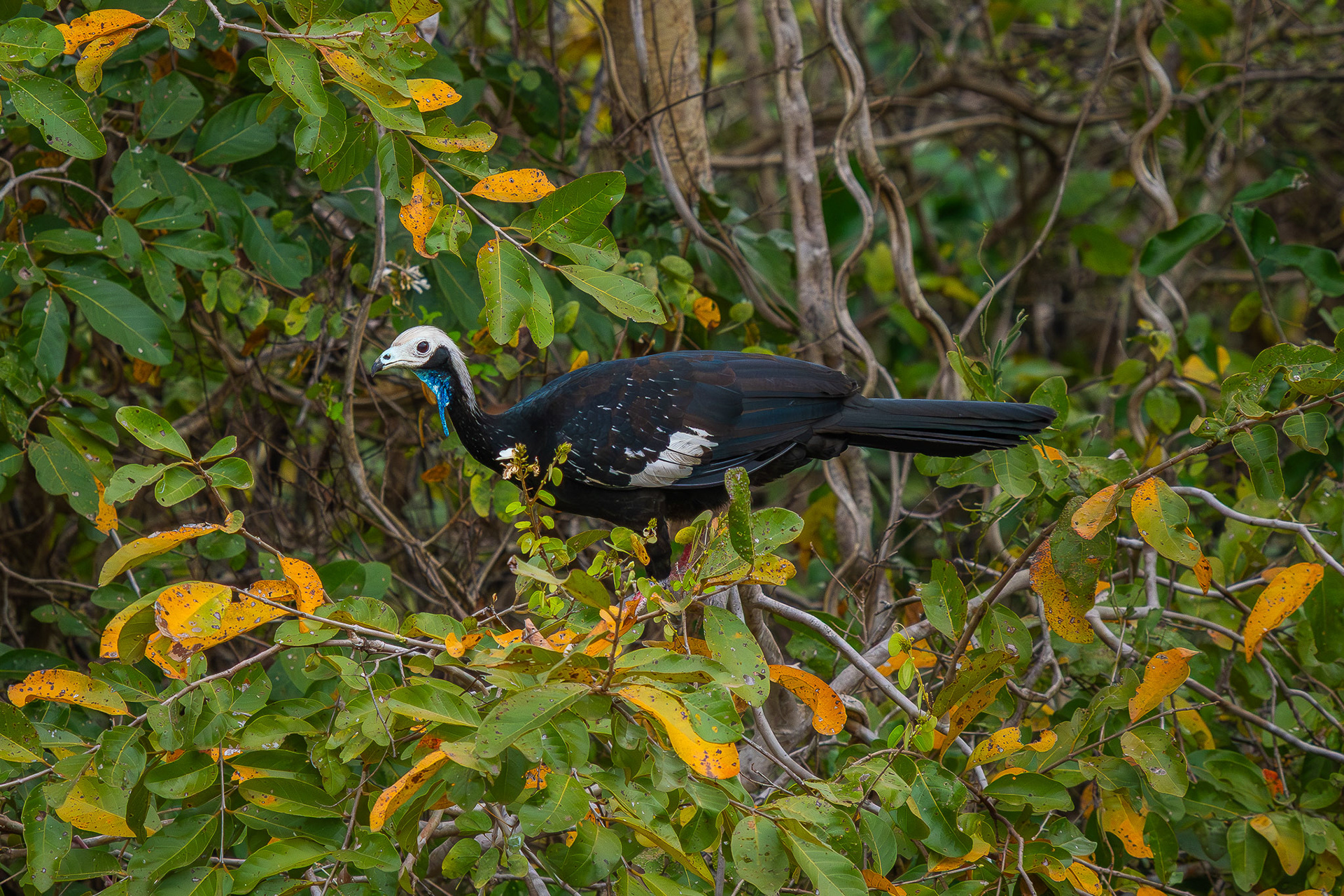
The Blue-Throated Piping Guan is most vocal at dawn and dusk, producing distinctive rising whistles and a 'wing-rattling' sound during flight displays.
^ Anhinga
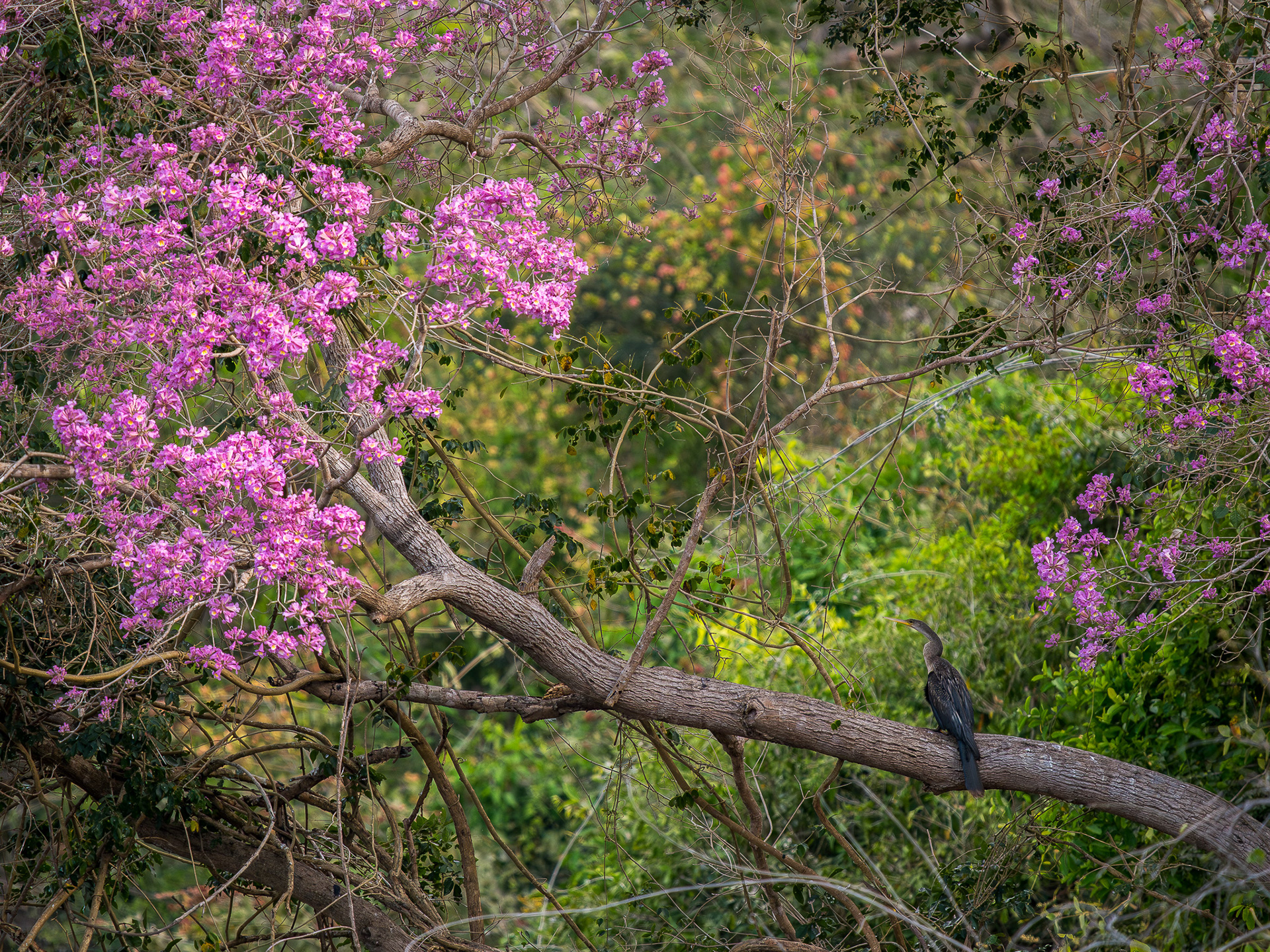
The Anhinga (Anhinga anhinga), often seen along the Cuiabá River and other flooded areas, perches on fallen trees above the water. Nicknamed the 'snake bird', it swims with its body submerged, leaving only its long neck visible above the surface.
^ Cattle Tyrant
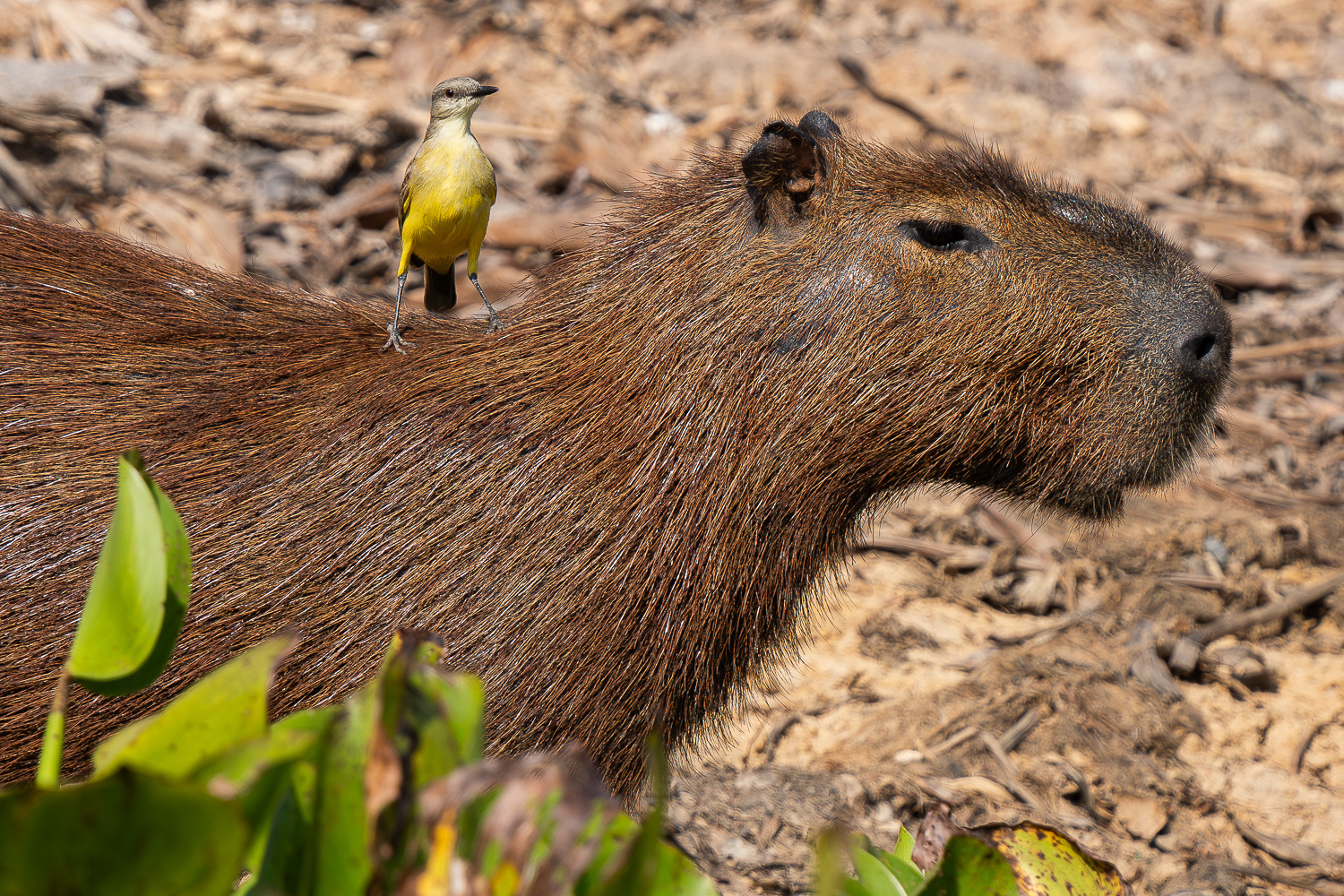
A Cattle Tyrant (Machetornis rixosa) perches on the back of a Capybara. This common Pantanal flycatcher feeds on insects, often following large mammals like cattle, capybara, and marsh deer - even riding on their backs to catch prey they stir up.
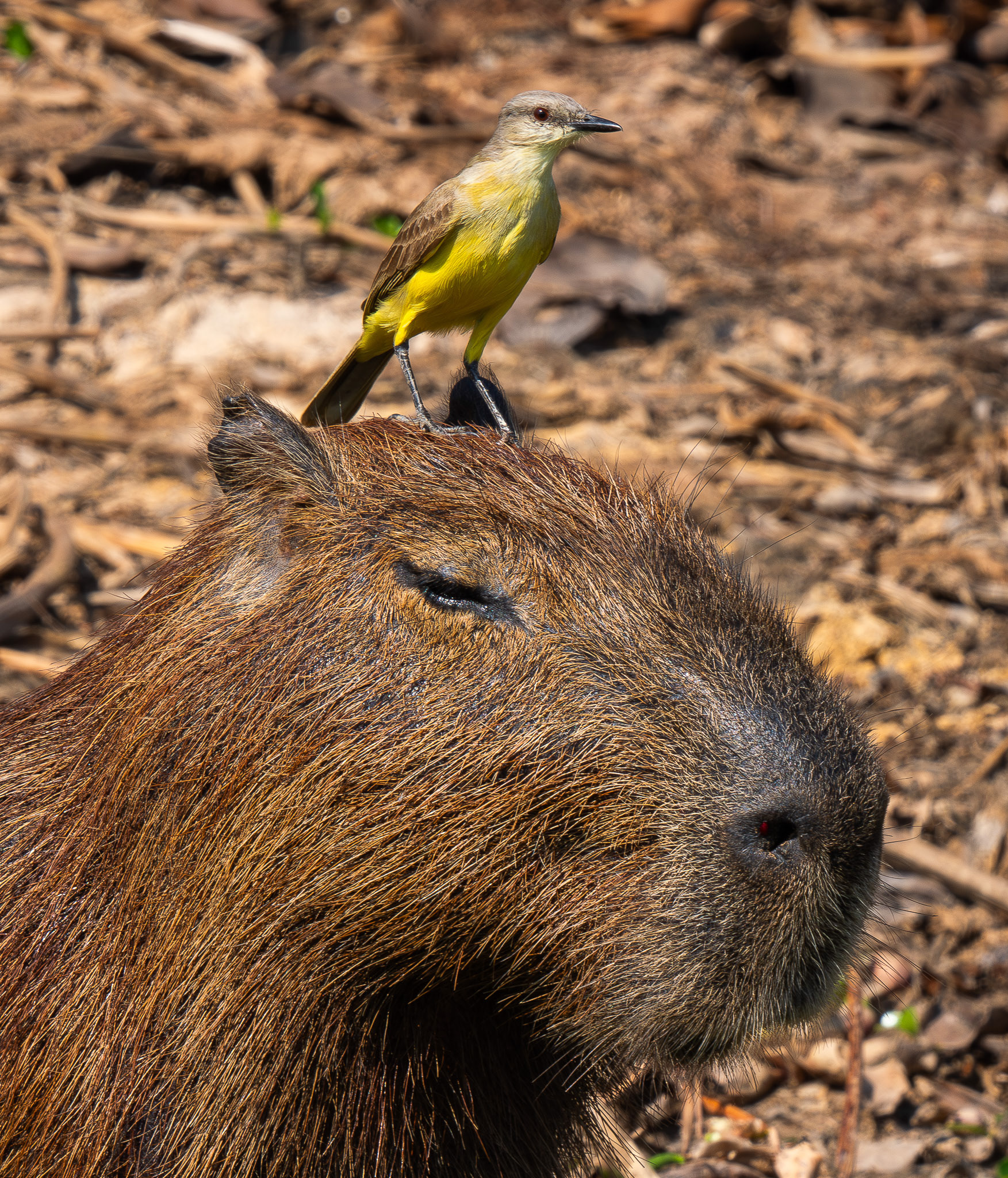
The Cattle Tyrant often perches on capybara, feeding on horseflies and other biting insects. This relationship gives the bird a meal whilst keeping the mammal free from pests.
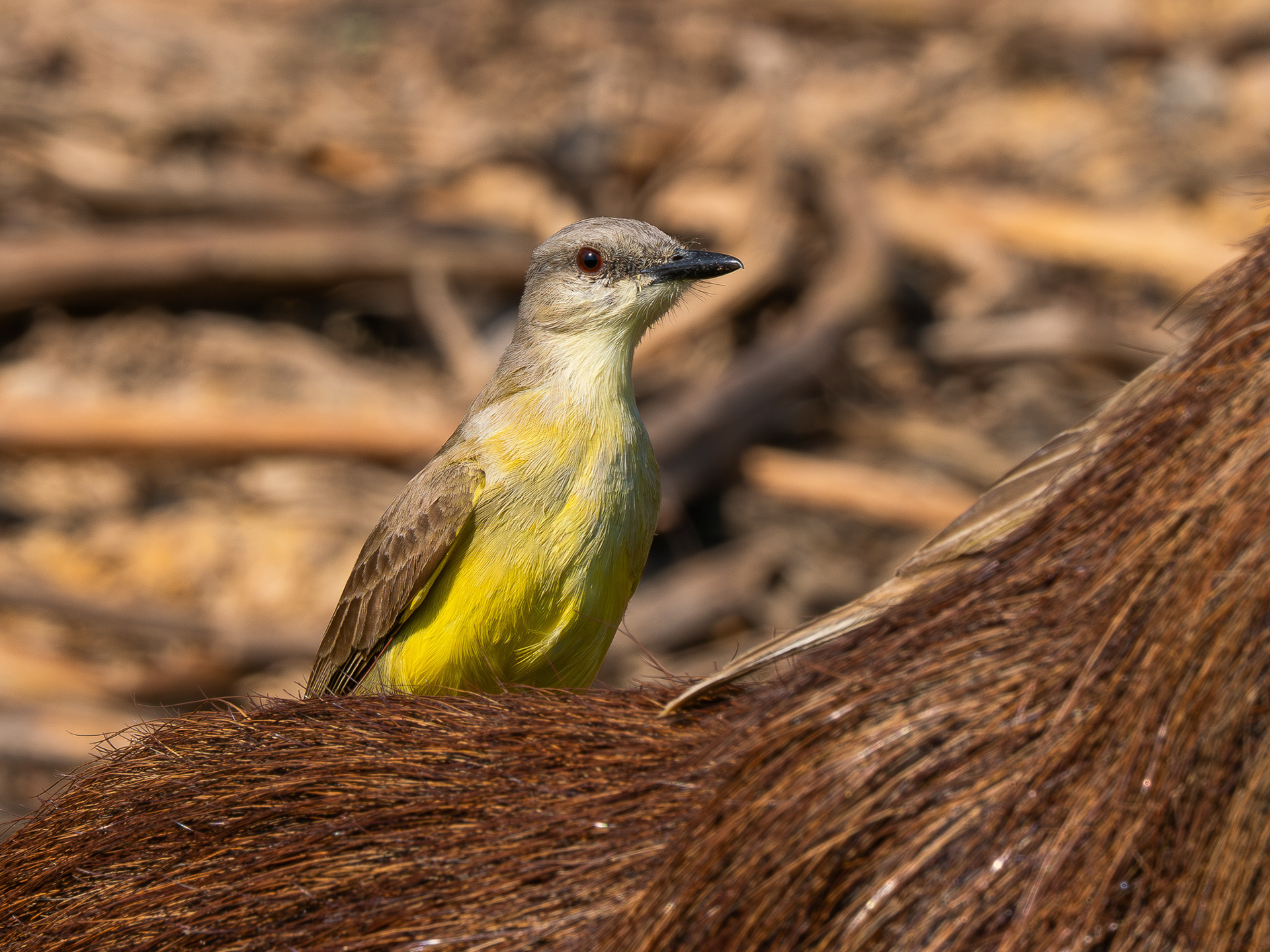
The Cattle Tyrant is a medium-sized bird (approx 20 cm) with an olive-brown back, a bright yellow belly, a greyish head with a dark eye-stripe, and a thin black bill.
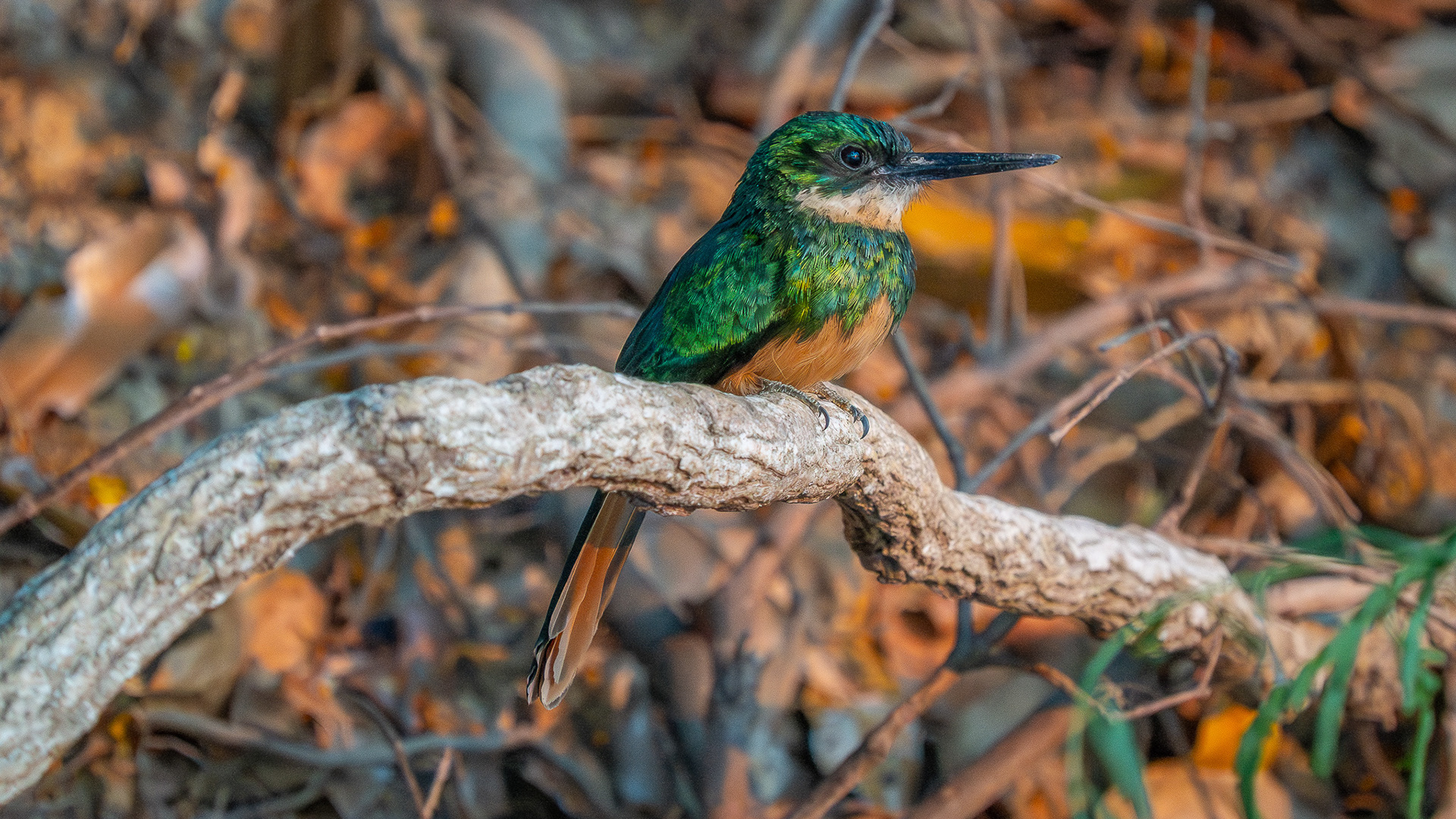
^ Rufous-tailed Jacamar
The Rufous-tailed Jacamar (Galbula ruficauda) is a striking, iridescent bird with a slender body and long, needle-like bill. Strictly insectivorous, it catches butterflies, dragonflies, wasps, and other flying insects in mid-air.
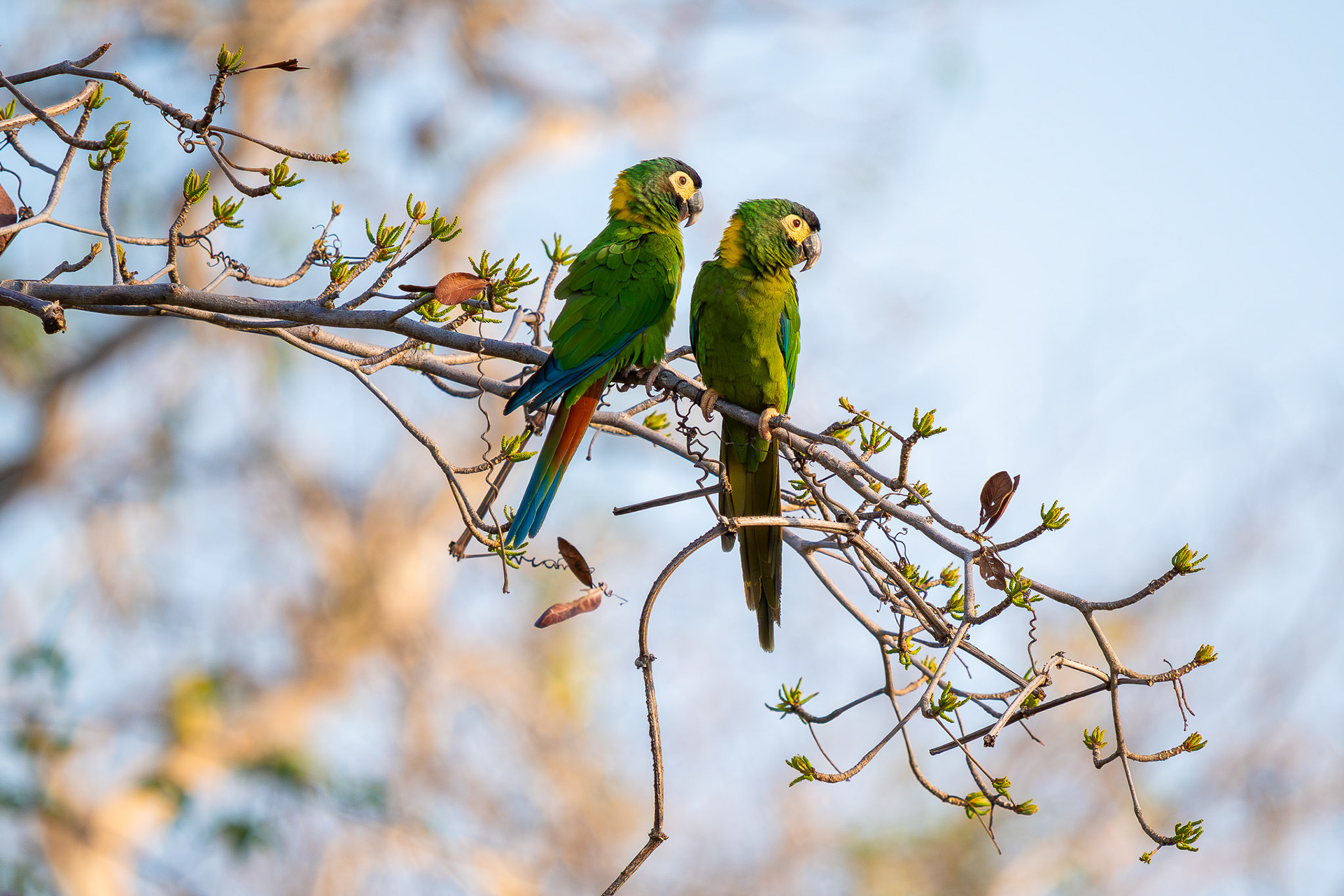
^ Golden-collared Macaw
The Golden-collared Macaw (Primolius auricollis), also called the Yellow-collared Macaw, is commonly found in the Pantanal's woodlands and grasslands. It nests in tree cavities, feeds on palm fruits and seeds, and forms strong pair bonds.
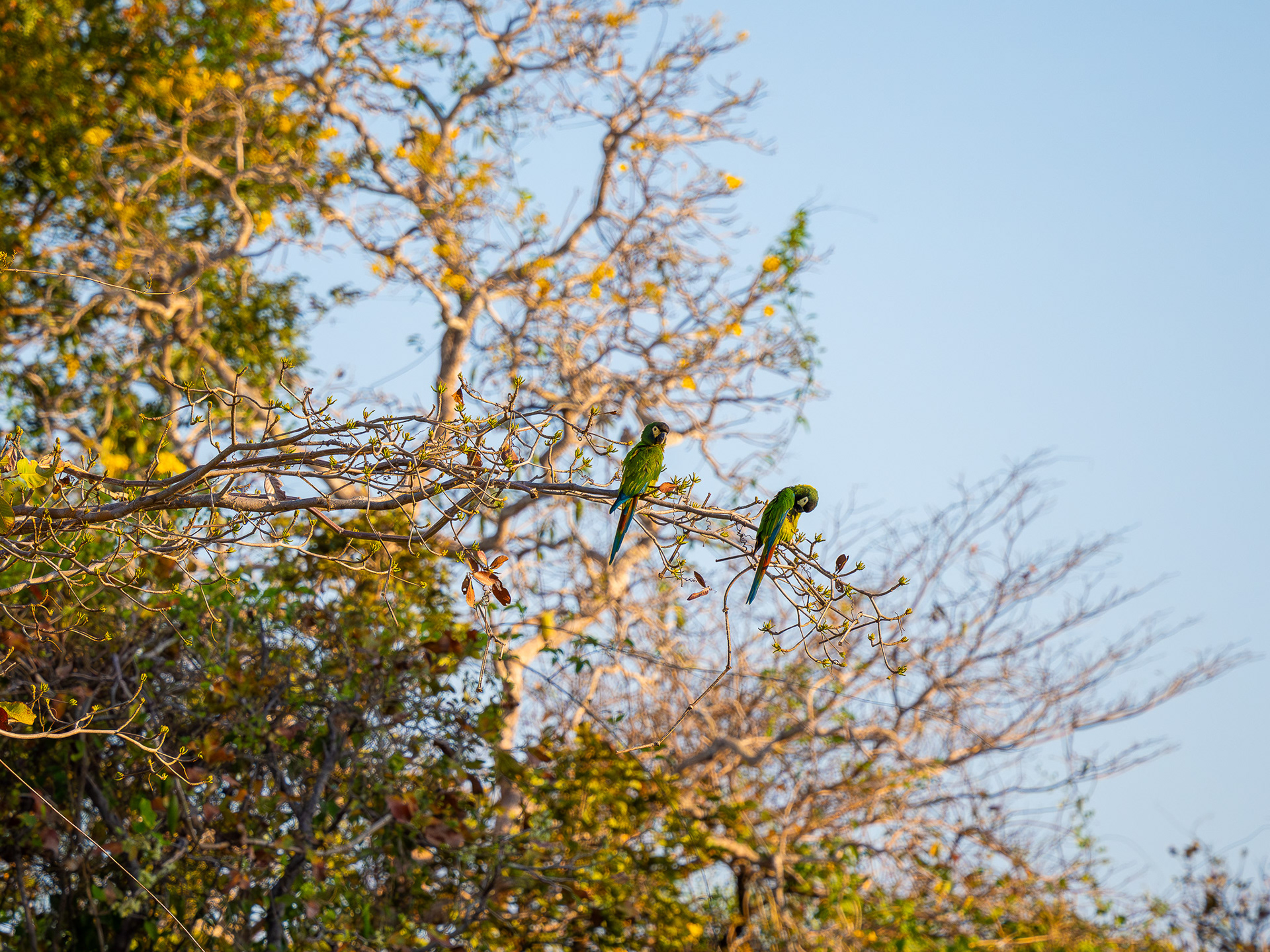
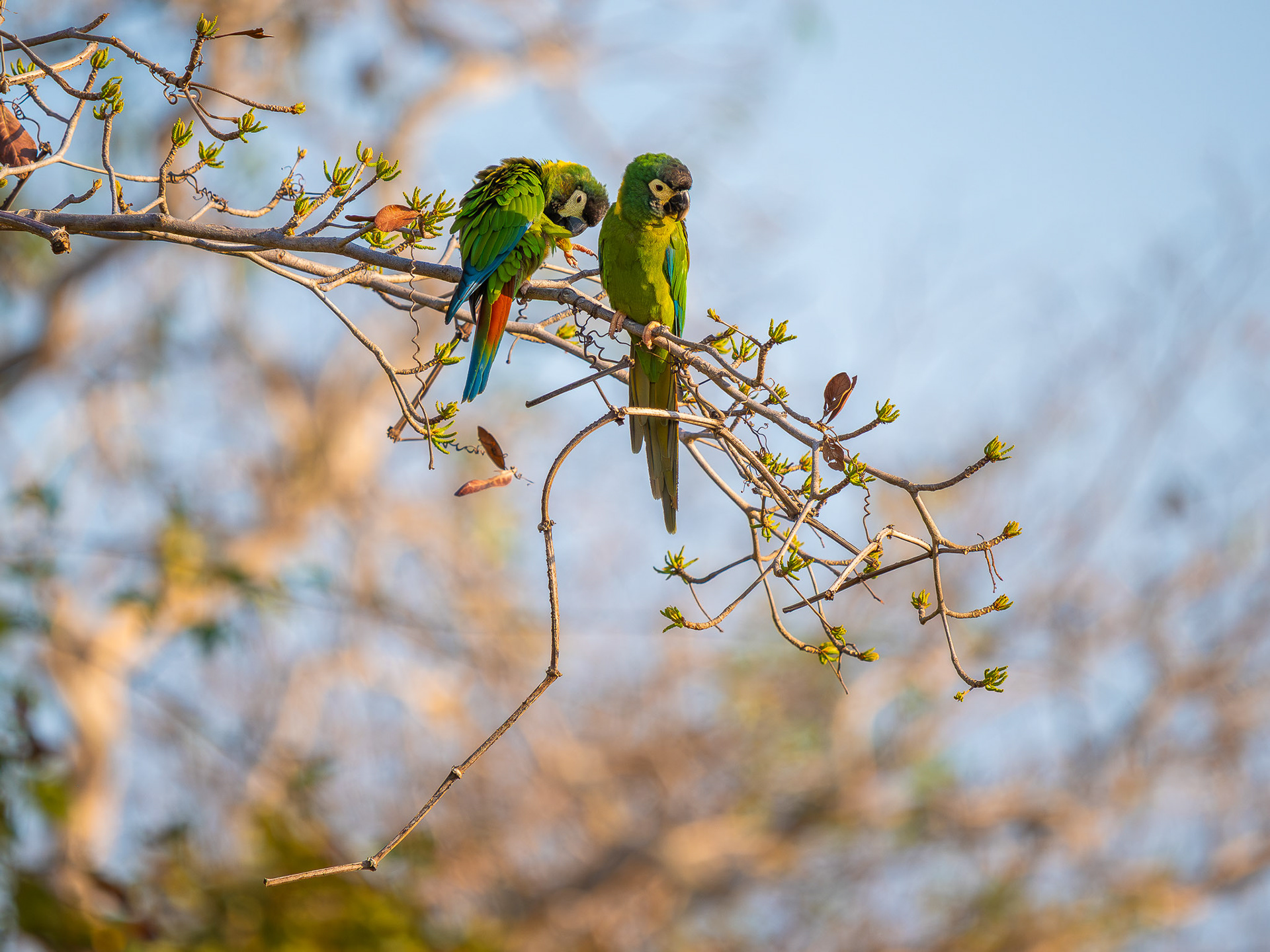
The Golden-collared Macaw has mainly green plumage with a bright yellow collar that intensifies with age, a brownish-black forehead, blue wings, and a tail with a red base and blue tip. Highly intelligent and resourceful, it is mischievous and an excellent mimic.
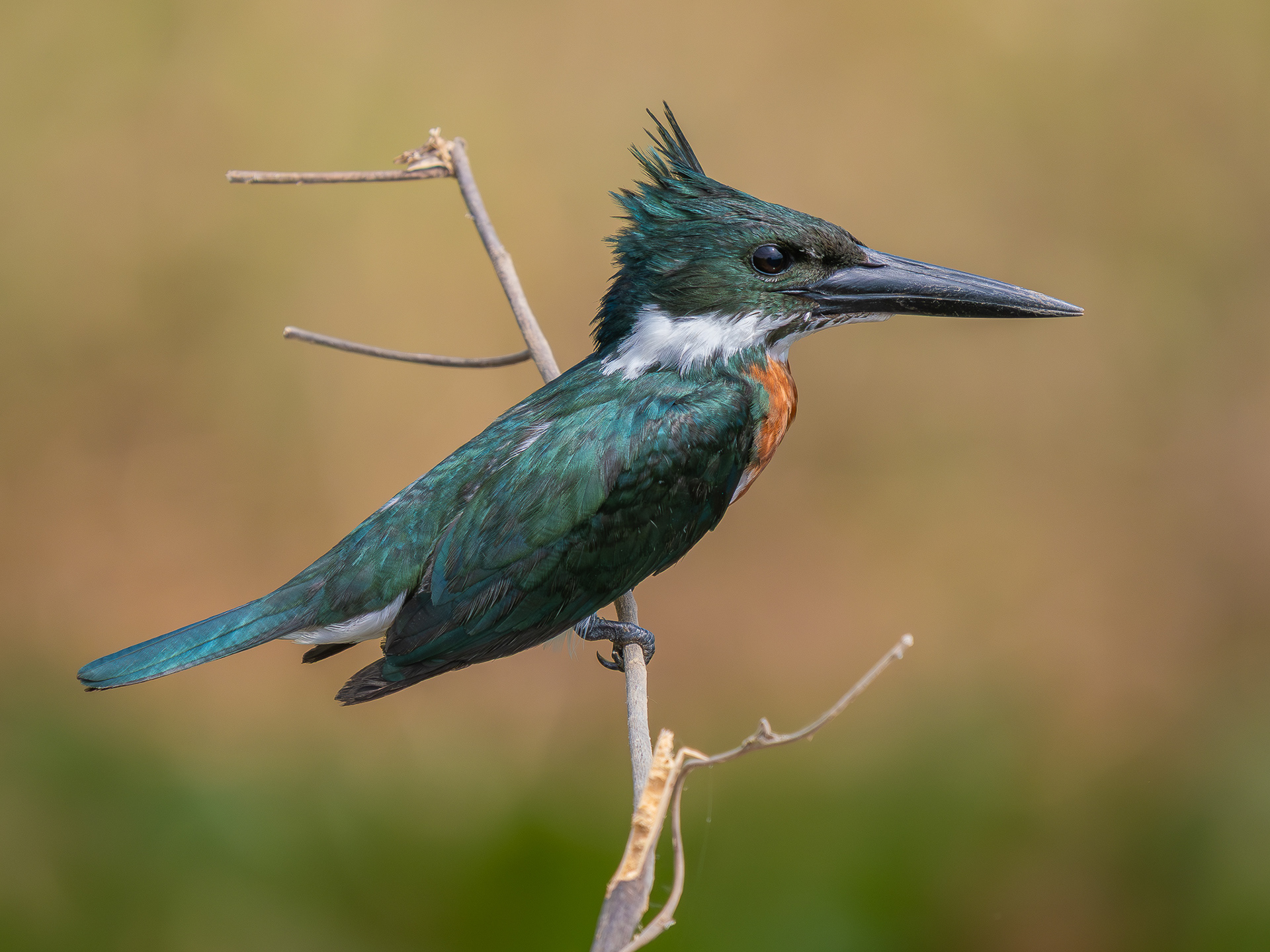
^ Amazon Kingfisher
The Amazon Kingfisher (Chloroceryle amazona) is the Pantanal's second-largest kingfisher. This striking oily-green bird has a heavy, dagger-like black bill for plunge-diving. Males show a rich rufous breast, while females lack the rufous and have green chest patches that almost meet in the centre.
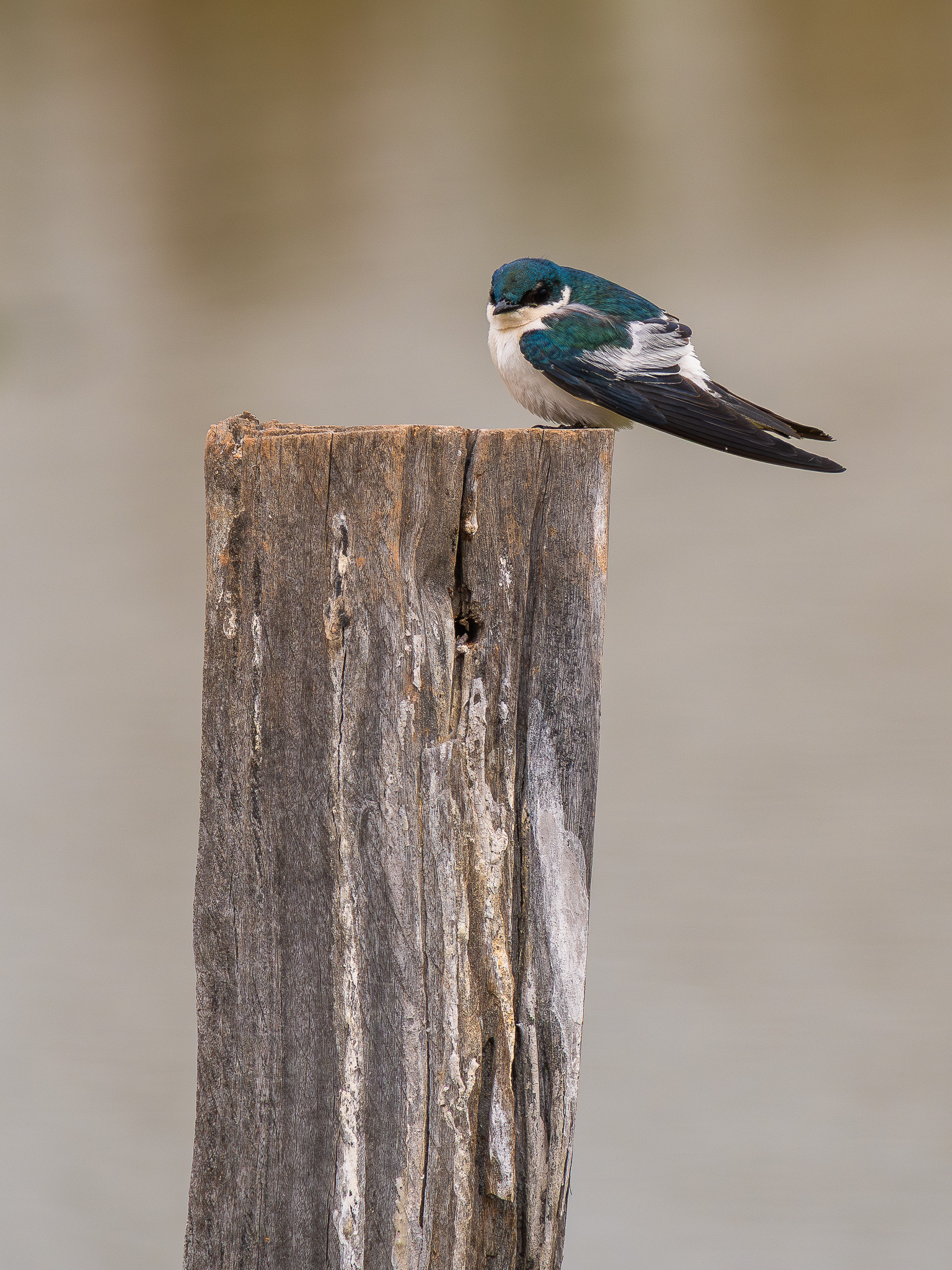
^ White-winged Swallow
The White-winged Swallow (Tachycineta albiventer) is a common sight in the Pantanal wetlands. This glossy blue-green aerial insectivore catches flies, wasps, beetles, and moths in flight, often hunting low over water and skimming the surface.
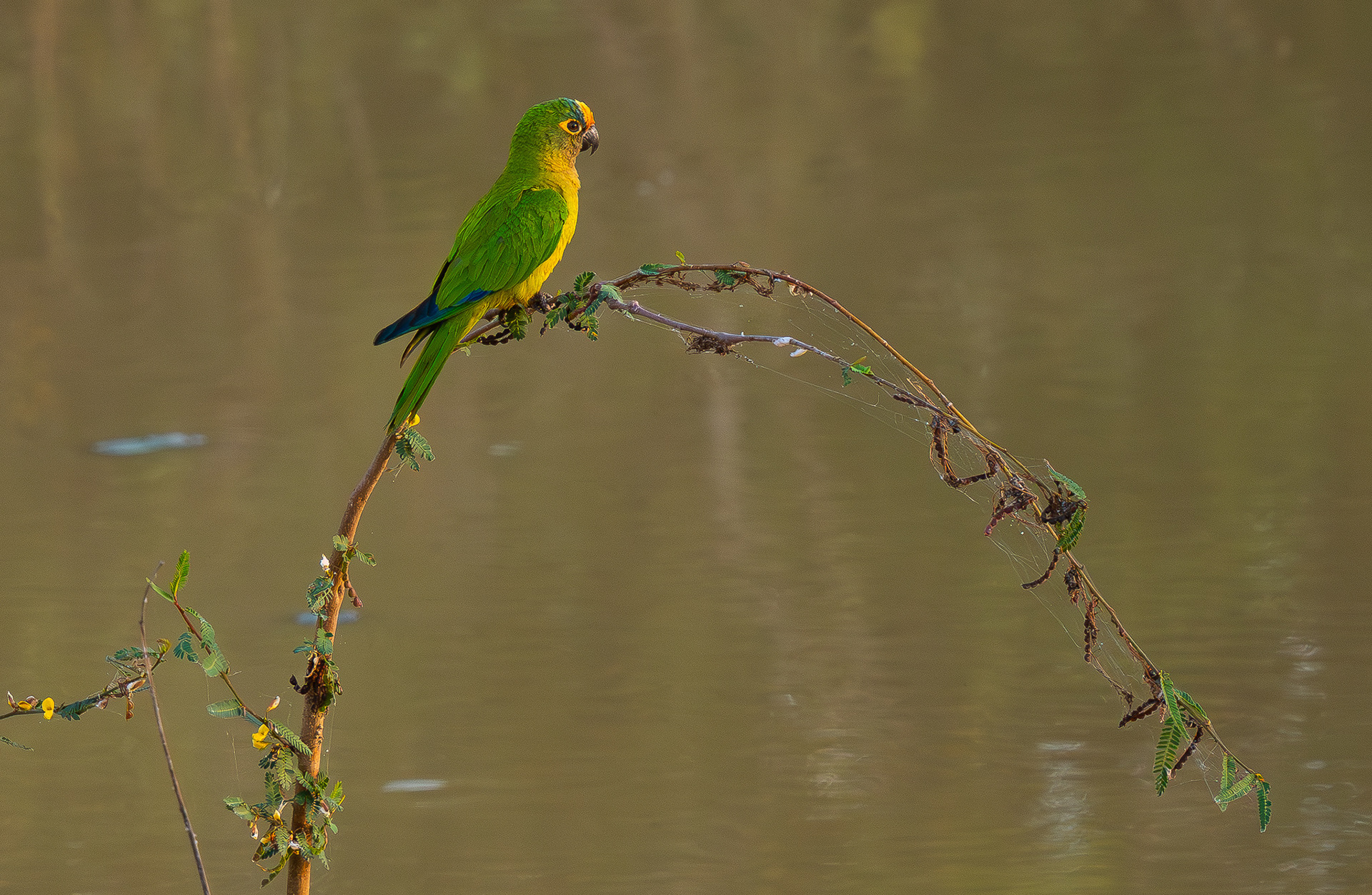
^ Peach-fronted Parakeet
The Peach-fronted Parakeet (Eupsittula aurea), also called the Peach-fronted Conure, is one of the Pantanal's most common and social birds. It forages on the ground, feeding mainly on seeds and plant material, and occasionally insects.
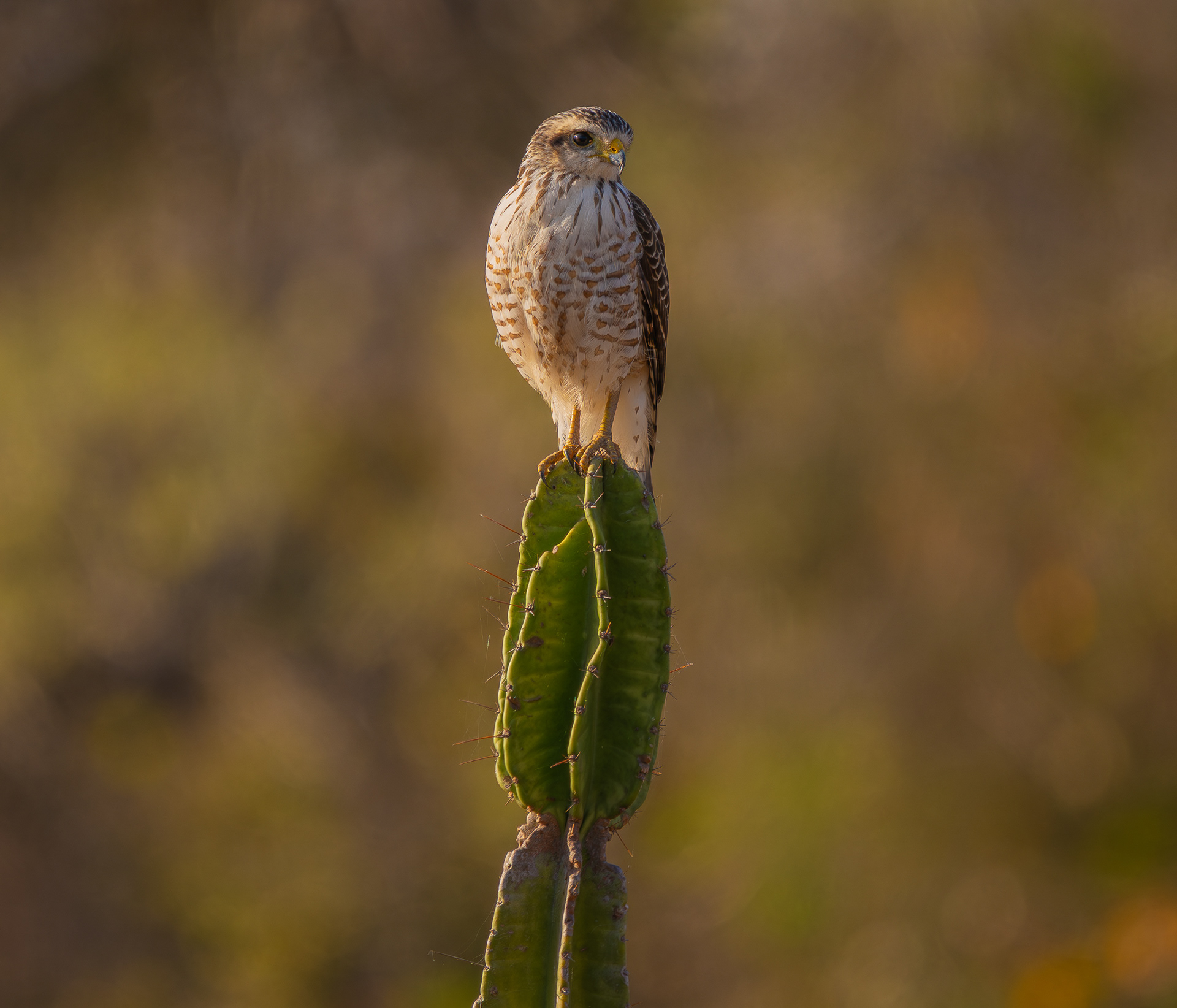
^ Roadside Hawk
The Roadside Hawk (Rupornis magnirostris) is a small, common raptor, known for its loud calls. It hunts insects and a variery of small animals.
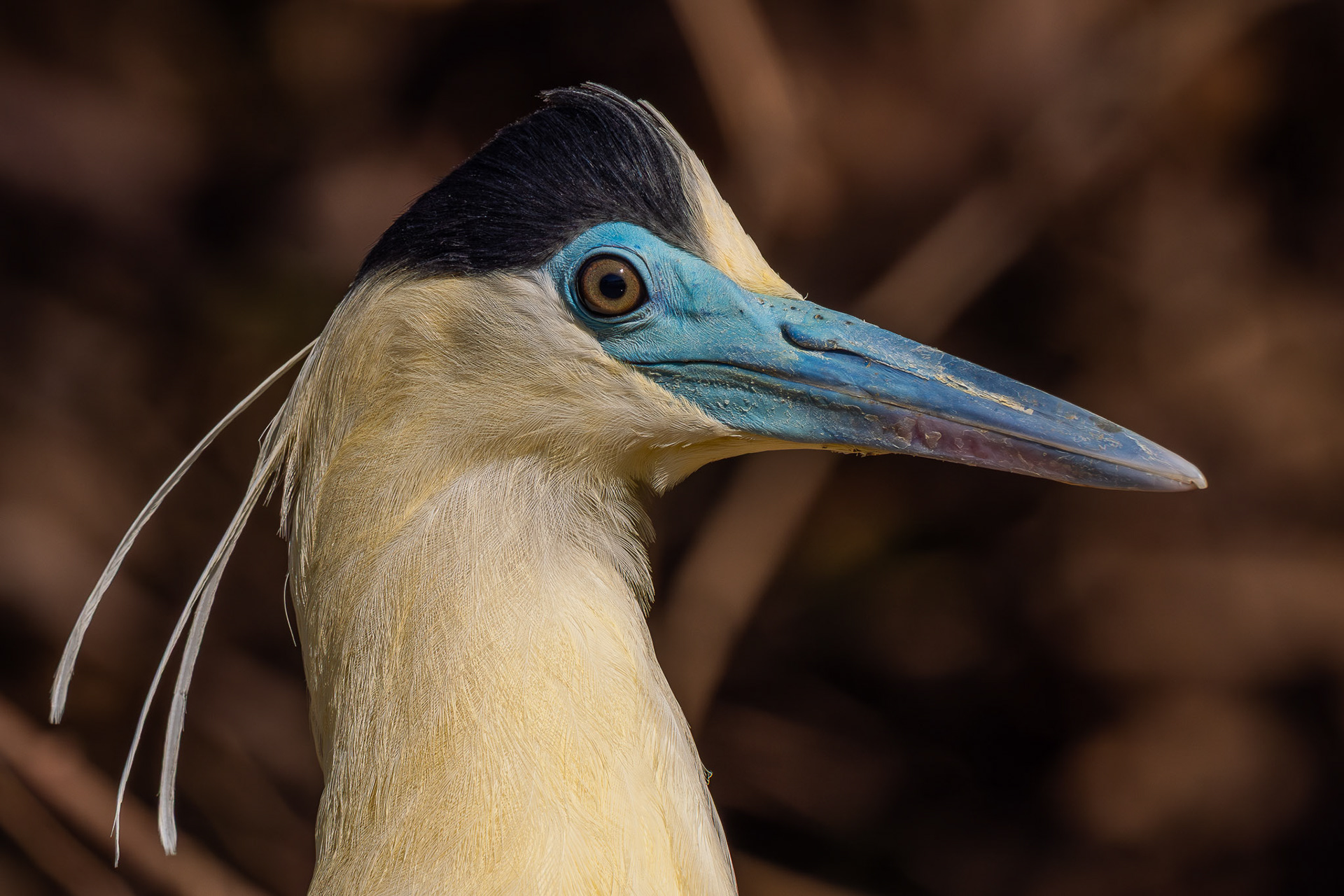
^ Capped Heron
The Capped Heron (Pilherodius pileatus) is a striking white wading bird found throughout tropical South America and commonly seen in the Pantanal. It is easily recognised by its glossy black cap, pale blue face, and distinctive bluish bill. This elegant heron hunts alone in shallow wetlands, feeding on small fish, frogs, and insects, and thrives in the Pantanal's seasonal floodplains where receding waters concentrate prey.
Photographs: ©Don Davies
We travelled to the Pantanal with Wildlife Worldwide and were accompanied by an excellent guide and naturalist, Lucila Rosales (Lucy), whose knowledge and expertise greatly enriched our experience.
v Click below to view next Gallery v
v OR v